

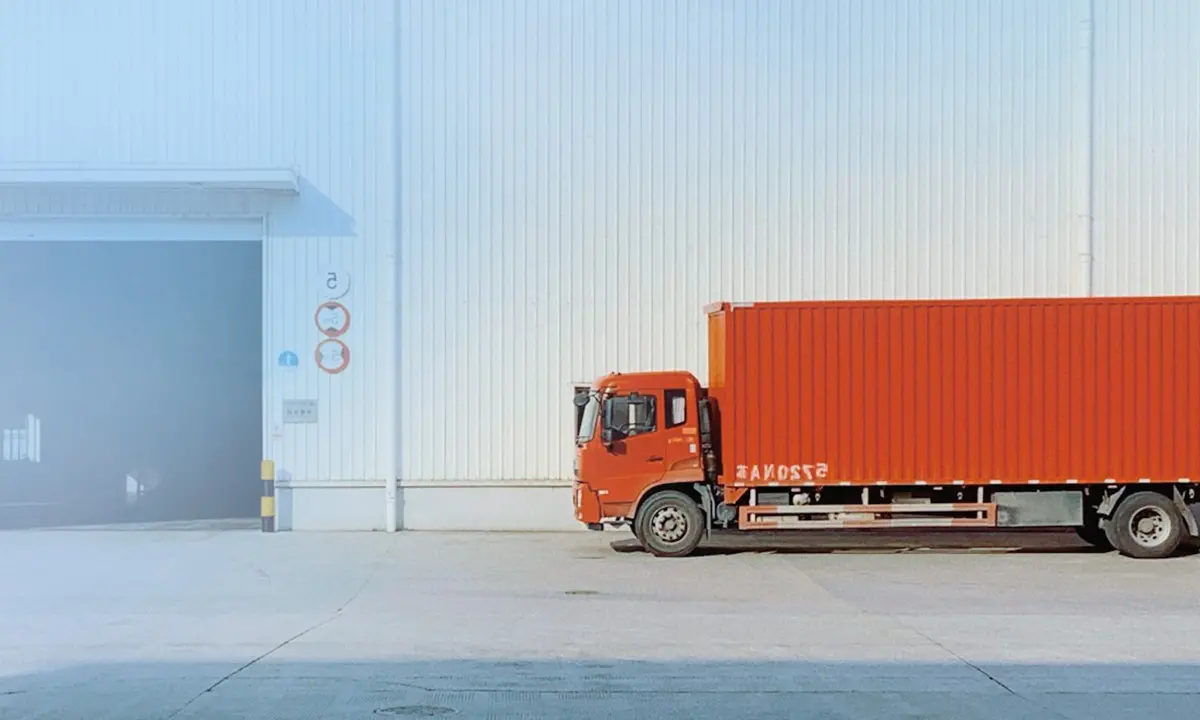
What is LTL Freight?
LTL (Less Than Truckload) Freight refers to the transportation of goods that do not require a full truckload. Instead of using an entire truck for one shipment, LTL combines multiple smaller shipments from different customers in the same truck, helping businesses reduce shipping costs.
LTL freight is ideal for small to medium-sized shipments that are too large for parcel delivery but not enough to fill a full truck. Compared with FTL Freight, LTL offers a more flexible and cost-effective solution for businesses that want reliable transportation without paying for unused truck space.
When Should You Choose LTL Transport?
LTL (Less-than-Truckload) shipping is a practical solution for transporting smaller freight by road. It is generally suitable for shipments weighing up to around 15,000 pounds and typically limited to no more than 10 pallets, though exact limits may vary depending on the carrier.
LTL is a cost-effective option for businesses looking to optimize inland transportation expenses, as it allows multiple shipments to share space in one truck. When selecting LTL, it's also important to consider transit times, as delivery may take longer compared to full truckload services.
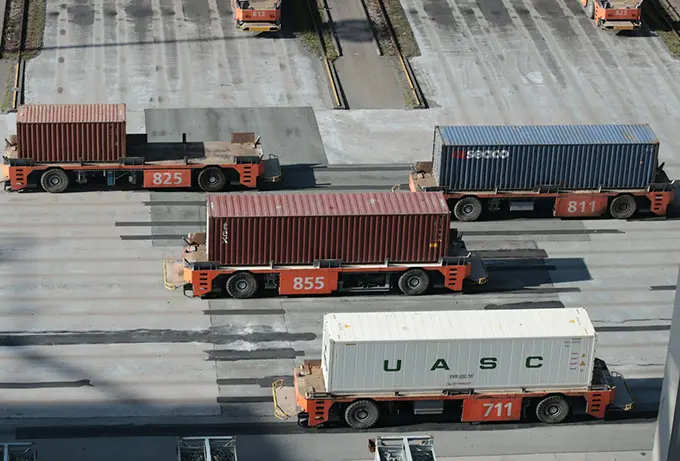
The Advantages of Choosing
Our LTL Freight Services
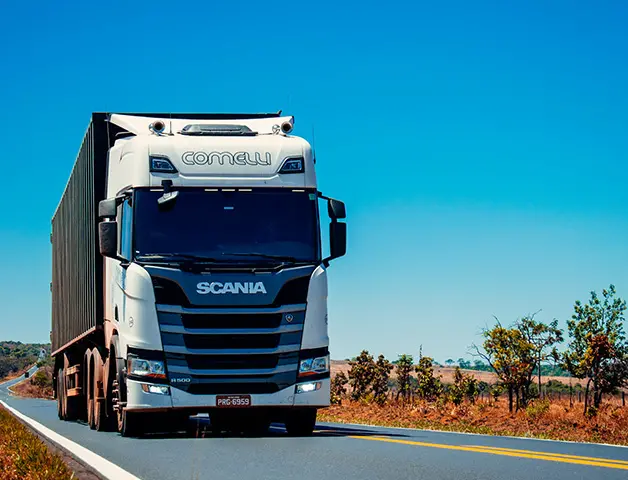
LTL freight helps reduce transportation costs by allowing multiple shipments to share space in the same truck. You only pay for the space your cargo uses, making it a practical option for small and medium-sized shipments. stops or consolidation, ensuring faster and more reliable transit times.

LTL shipping is ideal when your cargo does not require a full truckload. Whether you are shipping a few pallets, cartons, or partial loads, LTL provides a flexible solution without the cost of booking an entire truck.

With an established carrier network, LTL freight can support regular pickups, regional deliveries, and cross-country transportation. This helps businesses move smaller shipments efficiently while keeping logistics operations organized.
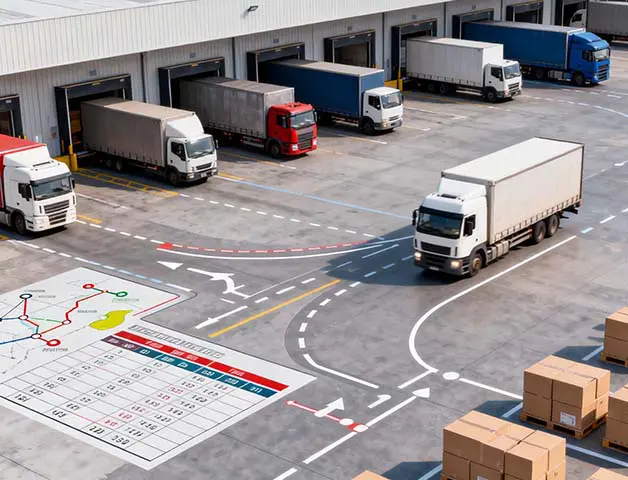
LTL services give businesses more control over freight expenses by matching shipping costs to cargo volume. It is especially suitable for companies that ship smaller loads frequently and want to improve budget efficiency.
Get a China-to-U.S. Shipping Quote
Ship from China to the U.S. with Less Hassle
Tell us your cargo details. We help U.S. importers, Amazon sellers, and e-commerce businesses arrange shipping from Chinese suppliers to U.S. warehouses, stores, or FBA centers.
FAQ
For LTL shipping, cargo should be properly packed, labeled, and secured before pickup. Palletizing the goods is recommended because it helps protect the shipment and makes loading and unloading more efficient.
Yes. LTL freight is suitable for businesses that ship smaller loads on a regular basis. We can help arrange recurring pickup and delivery plans based on your shipment volume and route requirements.
LTL freight can be used for fragile or high-value goods, but proper packaging is very important. For sensitive cargo, we recommend using strong outer packaging, pallet protection, and clear handling labels.
Yes. After the shipment is arranged, we can provide shipment updates based on the carrier and route. Tracking details may vary depending on the transportation plan and service provider.
If the cargo weight, dimensions, pallet count, or pickup details change, the final freight cost may need to be adjusted. It is best to confirm the shipment details before pickup to avoid delays or extra charges.

