Jul 01, 2026
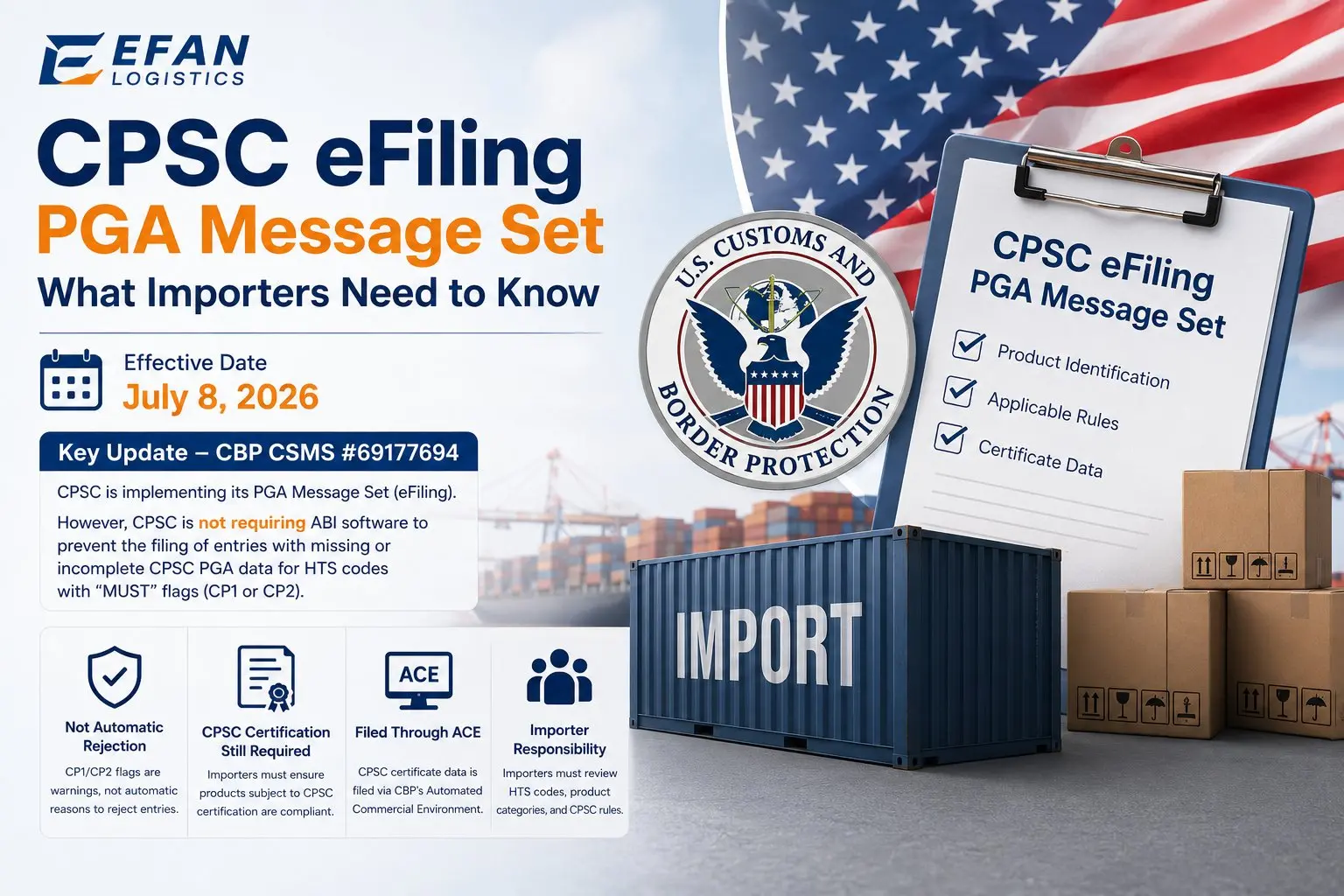
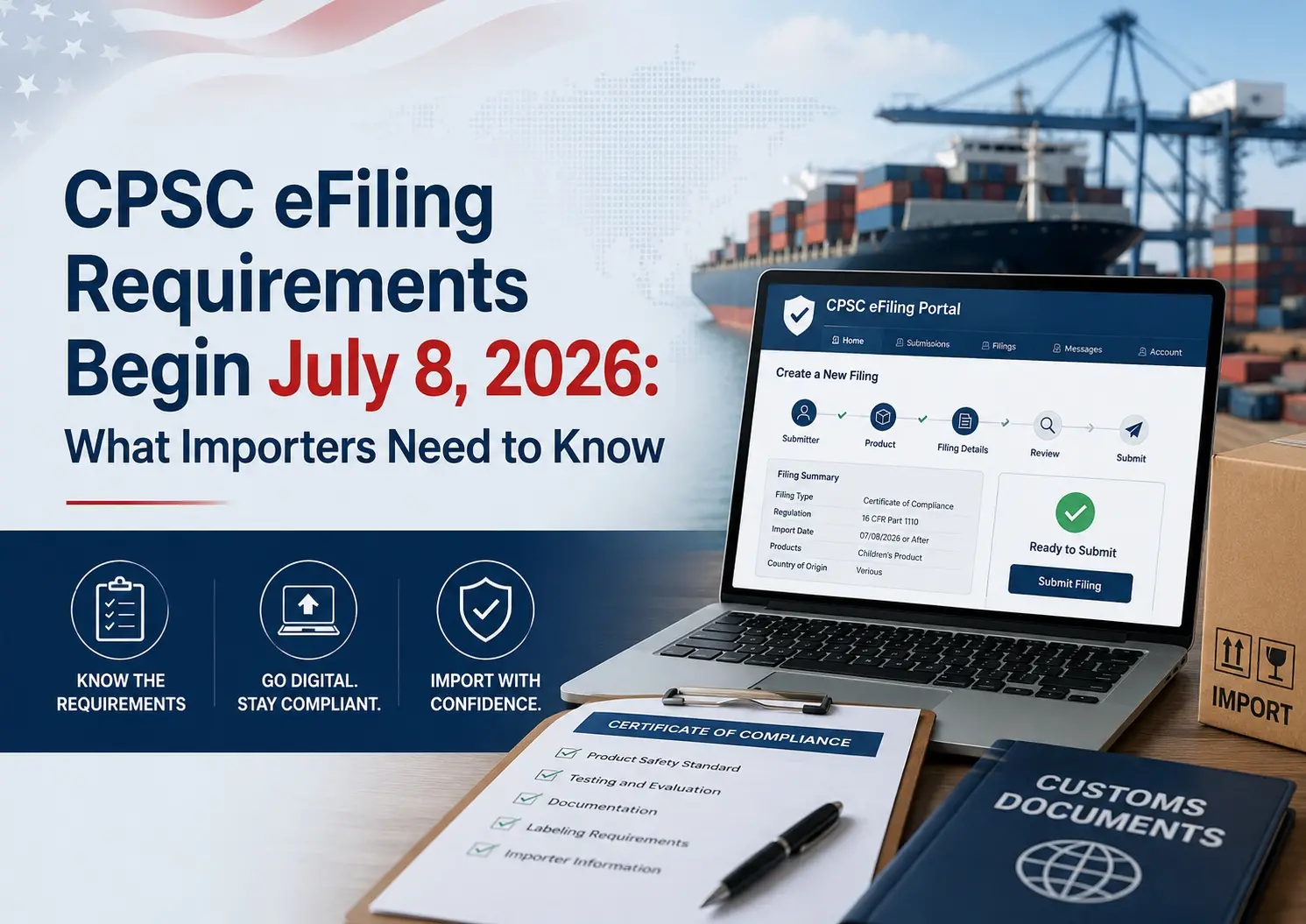
CPSC eFiling Requirements Begin July 8, 2026: What Importers Need to Know
International shipping uses many time-related terms. Four common terms are ETA, ETD, ATD, and ATA. These terms look similar, but they describe different shipment events.
ETA and ETD are estimated times. They help companies plan before an event happens. ATD and ATA are actual times. They confirm when an event has happened.
Importers, exporters, carriers, and freight forwarders need to understand these terms. Clear time information helps each party plan customs clearance, warehouse work, trucking, inventory, and customer delivery.
ETA stands for Estimated Time of Arrival. It shows when a vessel, aircraft, truck, train, or shipment is expected to reach a stated location.
The location may be a port, airport, terminal, warehouse, or final delivery address. The International Maritime Organization’s IMO Compendium describes ETA as the date and time when a ship is estimated to arrive at a specified location (International Maritime Organization).
For example, a vessel may have an ETA of August 15 at the Port of Los Angeles. The importer may use that date to prepare customs documents, warehouse space, workers, and local transportation.
However, ETA is only an estimate. Bad weather, port congestion, route changes, mechanical problems, or delays at an earlier port may affect it. The carrier may update the ETA during the journey.
An importer should not treat ETA as proof that the cargo has arrived. The importer should check the latest tracking update before arranging pickup or delivery.
ETD stands for Estimated Time of Departure. It shows when a vessel or another means of transport is expected to leave a stated location.
The UNECE Controlled Vocabulary defines ETD as the date and time when a carrier estimates that a means of transport should leave its place of departure (United Nations Economic Commission for Europe).
For example, a vessel may have an ETD of August 3 from Shanghai. The exporter may use that date to plan production, container loading, export customs filing, and terminal delivery.
ETD is different from a cargo cut-off time. A shipping line usually requires the shipper to deliver the container before the vessel’s planned departure. The carrier may also set separate deadlines for shipping instructions and verified gross mass data.
ETD may change because of port congestion, weather, berth availability, operational changes, or vessel delays. The exporter should check the latest carrier notice instead of relying on an old booking record.
ATD stands for Actual Time of Departure. It records when a vessel, aircraft, truck, train, or shipment actually leaves a stated location.
For example, a vessel may have an ETD of August 3 at 8:00 p.m. The vessel may actually leave on August 4 at 2:00 a.m. In this case, August 4 at 2:00 a.m. is the ATD.
ATD confirms that the departure event has happened. A logistics team can compare ETD with ATD to identify a departure delay.
However, tracking systems may use different departure points. One system may record the time when the vessel leaves the berth. Another system may record the time when the vessel leaves the port area.
A user should therefore check the event description when the exact milestone matters.
ATA stands for Actual Time of Arrival. It records when a vessel or another means of transport actually reaches a stated location.
For example, a shipment may have an ETA of August 15. The vessel may arrive on August 16. In this case, August 16 is the ATA.
ATA confirms the arrival event. A logistics team can compare ETA with ATA to measure the difference between the estimated schedule and the actual result.
However, ATA does not always mean that a container is ready for pickup. The terminal may still need to unload the container from the vessel. The terminal may also need to move and process the container.
Customs clearance, carrier release, terminal processing, or inspection may cause more waiting time. The importer should confirm cargo availability before sending a truck to the terminal.
ETA and ETD are forecasts. ATD and ATA are confirmed records.
ETA and ATA relate to arrival. ETD and ATD relate to departure.
A normal shipment timeline follows a clear order. The carrier first publishes the ETD. The vessel then leaves, and the carrier records the ATD. The carrier continues to update the ETA during transit. The vessel finally arrives, and the carrier records the ATA.
A company should compare ETD with ATD when it reviews departure performance. A company should compare ETA with ATA when it reviews arrival performance.
However, the company must compare the same type of event. A vessel’s arrival at a port is not the same as a container’s arrival at a warehouse. Each time must include a clear location and transport milestone.
These terms help every party coordinate the shipment.
Exporters use ETD and ATD to plan container loading, export documents, and customer updates. Importers use ETA and ATA to prepare customs clearance, warehouse labor, inventory, and final delivery.
Freight forwarders use all four terms to track shipment progress and explain delays. Carriers use these terms in schedules, booking records, and tracking systems.
Accurate time information may also reduce avoidable costs. A wrong or outdated update may cause a missed truck appointment, extra terminal storage, idle workers, or poor customer communication.
A business should check carrier tracking, terminal updates, and freight forwarder notices together. The business should also confirm whether each time refers to the vessel, container, truck, or final shipment.
ETA, ETD, ATD, and ATA describe four different shipping milestones. ETA is the expected arrival time. ETD is the expected departure time. ATD is the confirmed departure time. ATA is the confirmed arrival time.
Estimated times help a company plan. Actual times show what happened. A company should always connect each time to a clear location and transport event.
Correct use of these terms can improve shipment tracking, internal planning, and customer communication. It can also reduce misunderstandings between importers, exporters, carriers, terminals, and freight forwarders.
Tell us your cargo details. We help U.S. importers, Amazon sellers, and e-commerce businesses arrange shipping from Chinese suppliers to U.S. warehouses, stores, or FBA centers.