Jul 01, 2026
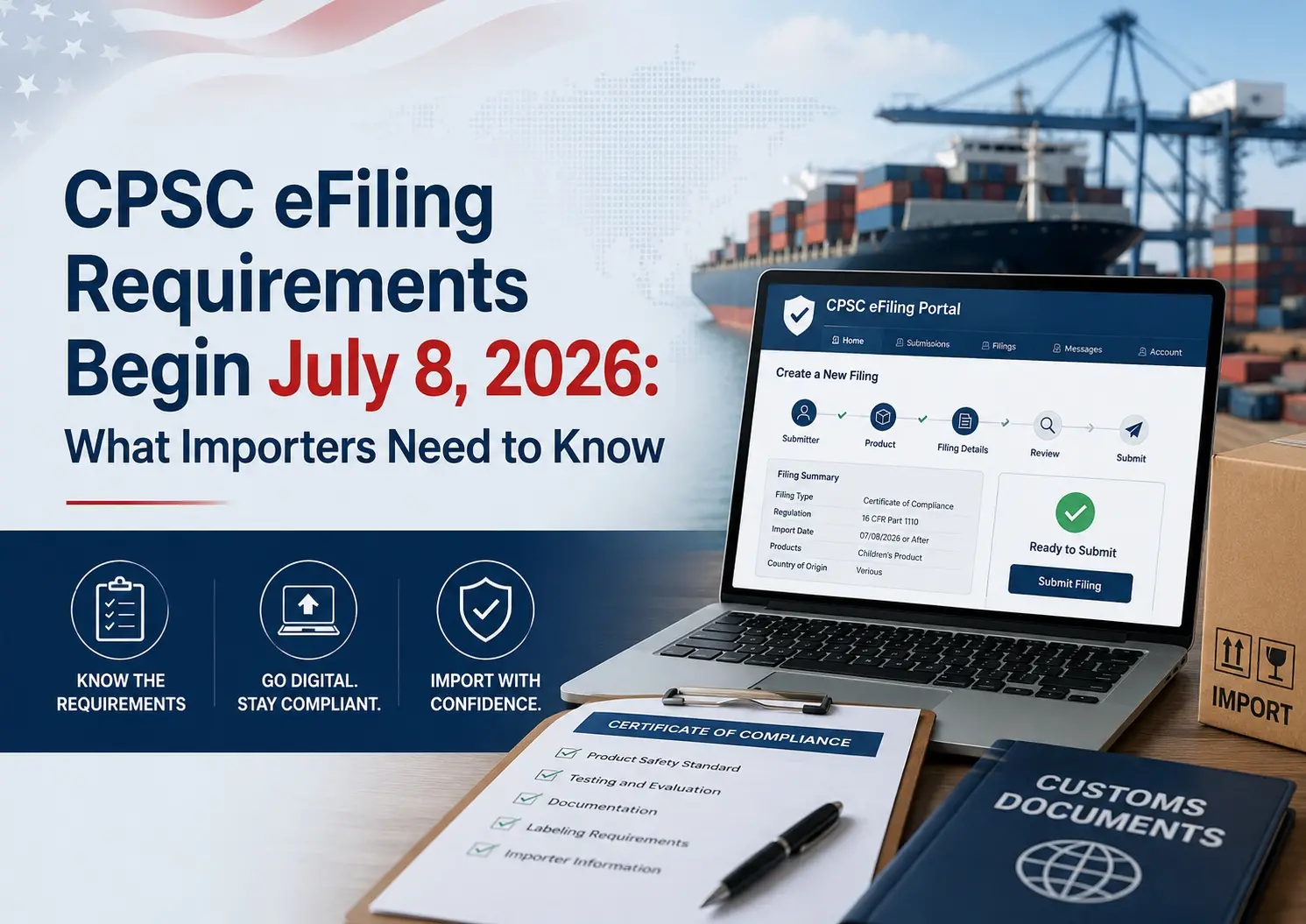
CPSC eFiling Requirements Begin July 8, 2026: What Importers Need to Know
A recent container loss incident in the North Pacific has once again drawn attention to cargo safety risks on major trans-Pacific shipping routes.
According to official incident information, the container vessel OOCL Sunflower lost 32 shipping containers overboard while sailing south of the Aleutian Island Chain. The vessel was on a voyage from Taiwan to the Port of Long Beach, California, when it encountered severe weather conditions in the North Pacific.
The incident reportedly occurred on March 3, 2026, during a period of rough sea conditions. The vessel later proceeded to Long Beach, where authorities and port teams were able to assess the situation more closely. Several containers were also reported to have been damaged or shifted onboard, raising safety concerns during the vessel’s arrival and cargo handling operations.
OOCL Sunflower is a large container vessel operating on long-haul ocean freight routes. During its trans-Pacific voyage, the ship encountered heavy weather in the North Pacific, an area known for challenging winter and early spring sea conditions.
As a result, 32 containers were lost overboard. In addition to the containers that fell into the sea, a number of other containers were damaged or displaced onboard. After the incident, the vessel continued toward the Port of Long Beach, one of the busiest container gateways in the United States.
For importers, exporters, freight forwarders, and cargo owners, this type of incident highlights an important reality: even on mature and highly developed ocean freight routes, severe weather can still create unexpected cargo risks.
Container loss at sea can happen for several reasons, and in many cases, more than one factor is involved. Severe weather is one of the most common causes. Strong waves, heavy rolling, sudden vessel movements, and high winds can place extreme pressure on container stacks.
Other possible contributing factors may include cargo stowage, container weight distribution, lashing system performance, vessel movement, and the height of container stacks on ultra-large container ships. When a vessel is exposed to violent sea conditions, the securing system must withstand strong dynamic forces for an extended period.
This does not mean container shipping is unsafe overall. Ocean freight remains one of the most important and widely used methods for global trade. However, incidents like this show why professional cargo planning, proper documentation, marine insurance, and risk control remain essential.
For shippers moving cargo from Asia to the United States, the most immediate concern is whether their cargo was loaded on the affected vessel or voyage. If a container is directly involved in an incident, cargo owners may face cargo loss, damage claims, documentation delays, insurance procedures, or additional communication with carriers and logistics providers.
Even cargo that was not lost overboard may still be affected if containers were shifted, damaged, or delayed during inspection and unloading. In some cases, port operations may also take longer when authorities need to secure damaged containers before discharge.
For businesses that depend on ocean freight, the key lesson is not to panic, but to improve shipment visibility and risk preparation. Cargo owners should confirm vessel details, bill of lading information, insurance coverage, and communication channels with their freight forwarder before shipment.
Although no shipper can completely control weather at sea, there are several practical ways to reduce exposure to cargo loss and delay.
First, shippers should work with reliable freight forwarders and carriers that provide clear vessel information and shipment tracking. Knowing the vessel name, voyage number, transshipment plan, and estimated arrival schedule makes it easier to respond quickly if an incident occurs.
Second, cargo owners should consider marine cargo insurance, especially for high-value goods, fragile products, seasonal inventory, or shipments with strict delivery deadlines. Basic carrier liability is often limited and may not fully cover commercial losses.
Third, correct cargo declaration is critical. Container weight, product type, hazardous cargo information, packaging details, and special handling requirements must be accurate. Incorrect or incomplete cargo information can increase operational risk and complicate claims if something goes wrong.
Finally, businesses should avoid relying on a single shipping schedule when cargo is time-sensitive. Building buffer time into the supply chain can help reduce the impact of vessel delays, port inspections, and weather-related disruptions.
Global container shipping moves hundreds of millions of containers every year. Compared with total ocean freight volume, the number of containers lost at sea remains relatively small. However, when an incident happens, the impact on affected cargo owners can be serious.
For companies shipping goods between Asia and North America, this recent North Pacific incident is a reminder that ocean freight risk management should not be ignored. Choosing the right logistics partner, preparing accurate shipment documents, and arranging suitable insurance can make a major difference when unexpected events occur.
At Efan Logistics, we continue to monitor global ocean freight developments and help customers manage international shipping more safely and efficiently. Whether you are shipping full container loads, less-than-container loads, or door-to-door cargo, a well-planned logistics solution can reduce uncertainty and improve supply chain reliability.
If your business is shipping from China or Asia to the United States, our team can help you compare ocean freight options, plan container shipments, arrange customs support, and improve delivery visibility.
Contact Efan Logistics to discuss your next shipment and find a reliable freight solution for your business.
Tell us your cargo details. We help U.S. importers, Amazon sellers, and e-commerce businesses arrange shipping from Chinese suppliers to U.S. warehouses, stores, or FBA centers.