Aug 05, 2026
The Latest Guide to U.S. Import Taxes: Everything You Need to Know
TSCA stands for the Toxic Substances Control Act. Section 13 of this U.S. law sets the rules for chemical imports. The U.S. Environmental Protection Agency (EPA) explains these rules on its import page ("TSCA Requirements").
A TSCA import certification is a signed statement about the chemicals in a shipment. The importer, or an agent with the importer's approval, files it with U.S. Customs and Border Protection (CBP) ("TSCA Requirements").
The rule covers chemical substances, mixtures, and some articles that contain them. Shipments by mail or courier and research samples also need it. Under TSCA, the word "manufacture" includes import. So the rules for new chemicals apply to importers too ("TSCA Requirements").
Every TSCA certification takes one of two forms. The table below compares them.
Point | Positive certification | Negative certification |
|---|---|---|
What it says | The chemicals are subject to TSCA and meet all its rules and orders | The chemicals are not subject to TSCA |
Typical goods | Chemical substances and mixtures under TSCA | Pesticides, foods, drugs, cosmetics, devices, nuclear material, firearms, and ammunition (when not clearly identified) |
Yearly volume (CBP estimate) | About 2.5 million | About 230,000 |
These yearly figures come from a 2016 CBP final rule in the Federal Register. They show that positive filings are about 11 times more common (United States, Dept. of Homeland Security 94981).
Some goods need no certification at all, such as tobacco products. Chemicals that are part of an article also need none, unless a TSCA rule says otherwise ("TSCA Requirements"). A chemical counts as part of an article when it is not meant to come out of the item and has no separate use (United States, Dept. of Homeland Security 94982).
Each check below is a yes-or-no question. CBP can hold a shipment when a required certification is missing (United States, Dept. of Homeland Security 94982).
A "yes" to check 5 or 6 means a negative filing, unless other agency papers already identify the product. A pesticide Notice of Arrival or FDA entry papers are examples ("TSCA Requirements").
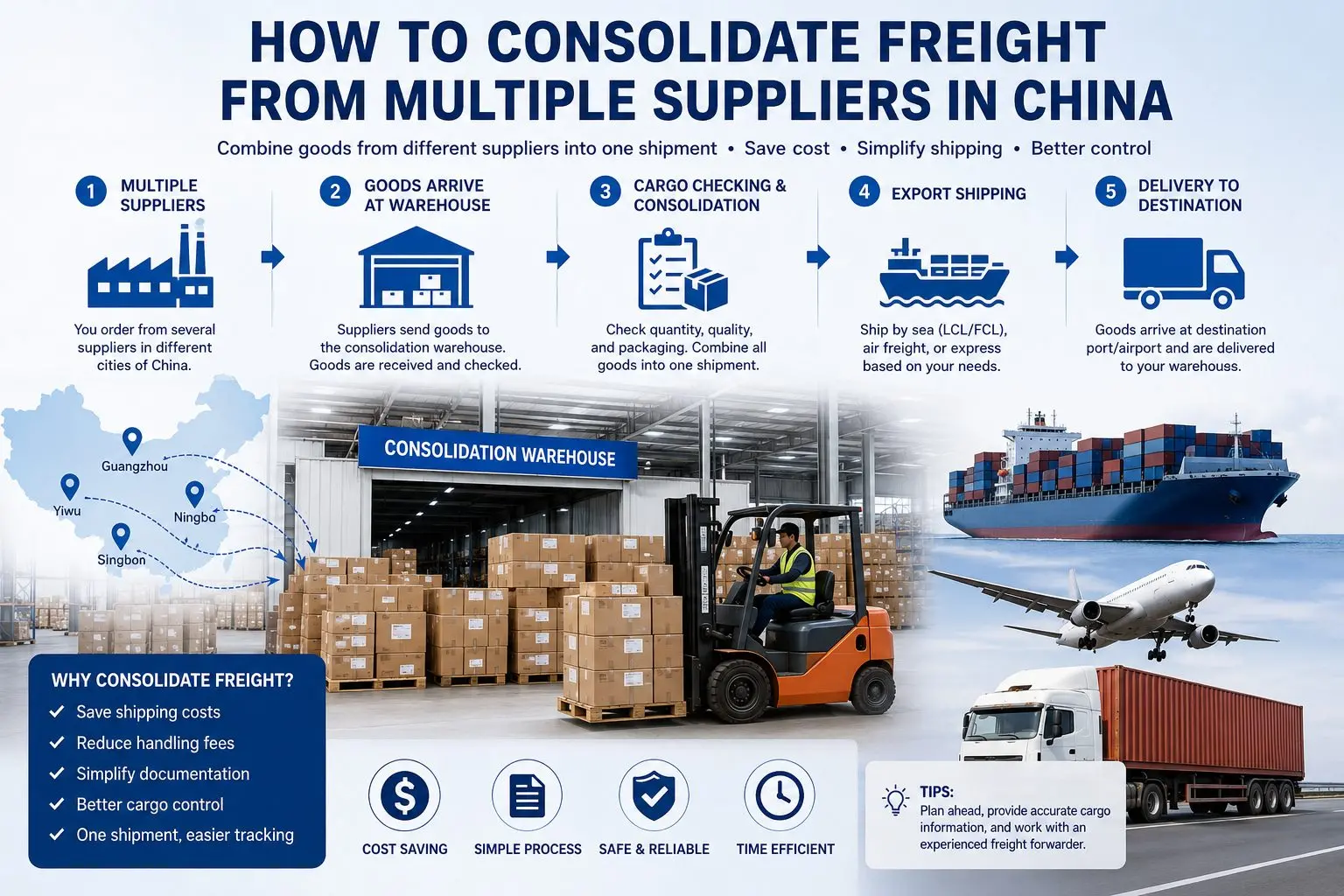
Both statements cover all chemicals in a shipment. So a mixed shipment needs a check on every product inside it. This point matters when Efan's China warehouse and consolidation service combines goods from several suppliers into one shipment.
The TSCA statement is only one part of the entry. Efan's guide to customs clearance from China to the USA explains the other documents and common delays. Efan's customs clearance service can also help check HS codes before shipment. Its FAQ lists missing compliance certificates as one cause of customs holds ("Customs Clearance Services").
Tell us your cargo details. We help U.S. importers, Amazon sellers, and e-commerce businesses arrange shipping from Chinese suppliers to U.S. warehouses, stores, or FBA centers.