Sep 04, 2026
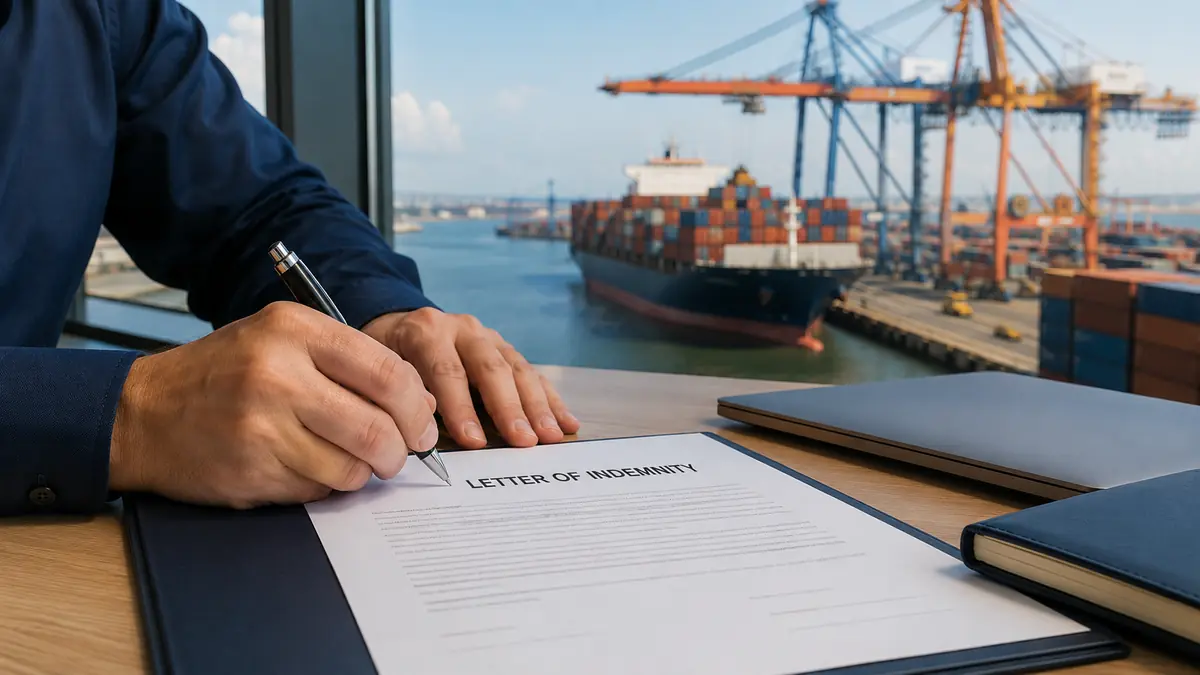
What Is the Letter of Indemnity in Shipping
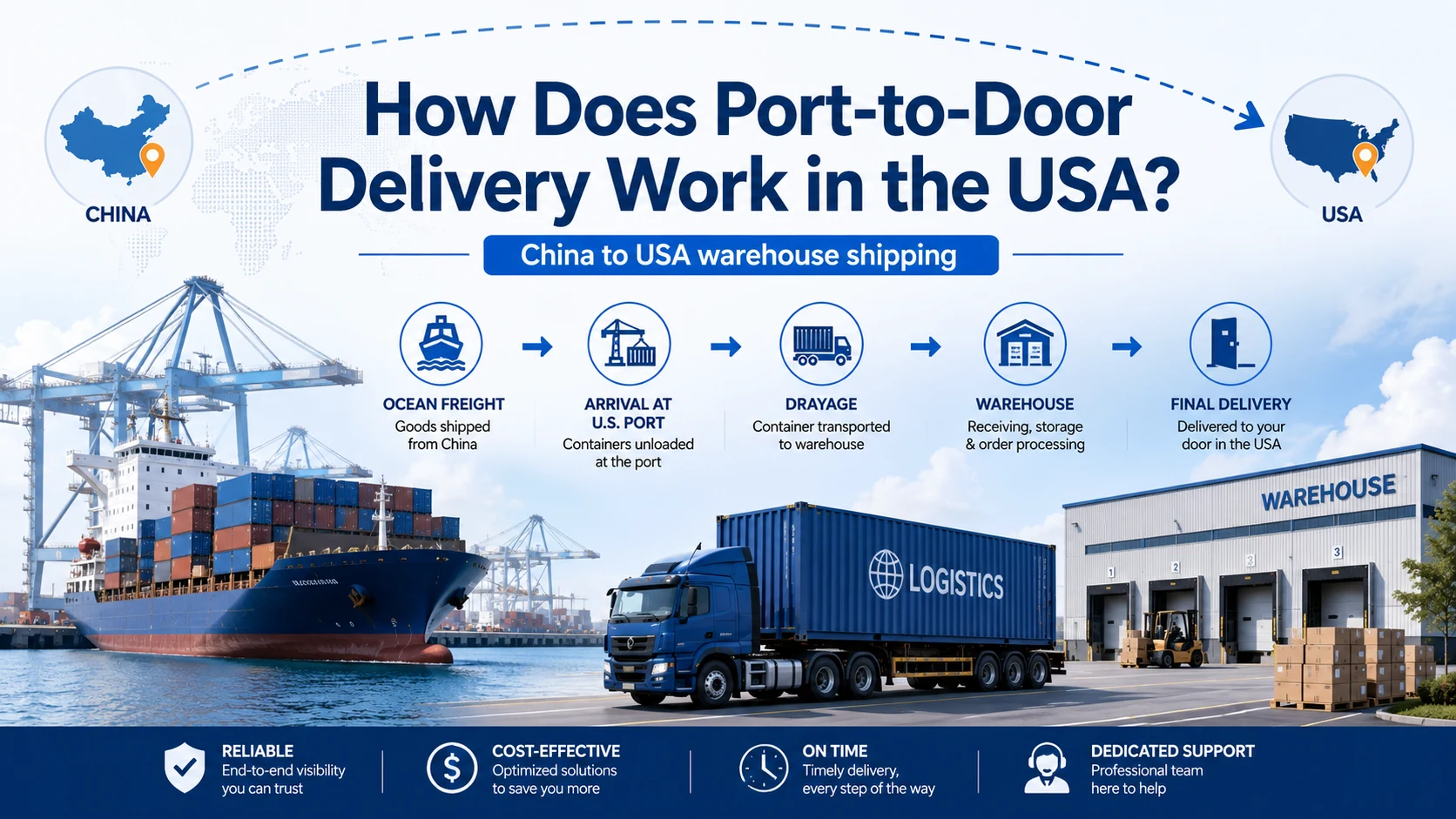
China to USA warehouse shipping means moving commercial goods from a Chinese supplier or factory to a warehouse in the United States. The service may include pickup, export handling, international freight, customs clearance, domestic trucking, and final warehouse delivery. The right plan depends on cargo size, product type, budget, deadline, and trade terms.
The process normally has seven stages.
First, the importer confirms the product name, quantity, carton size, weight, cargo value, supplier address, and warehouse address. The importer should also check whether a U.S. agency regulates the product.
Second, the buyer and seller choose an Incoterm. Incoterms define which party manages costs, tasks, and risks. The International Trade Administration’s Incoterms guide explains these responsibilities (International Trade Administration).
Third, the freight forwarder collects the goods. The forwarder may send them to a China warehouse for checking, labeling, palletizing, or consolidation.
Fourth, the shipper prepares the commercial invoice, packing list, bill of lading or air waybill, and any required product documents. Applicable ocean shipments also need Importer Security Filing data before loading.
Fifth, the cargo travels by sea, air, or express service. Importers can review Efan Logistics’ sea freight from China to the USA service when they need FCL or LCL transport.
Sixth, the importer or a licensed customs broker submits entry information to U.S. Customs and Border Protection. CBP reviews the product description, tariff classification, value, origin, and agency requirements. CBP provides general guidance on its Basic Importing and Exporting page (U.S. Customs and Border Protection).
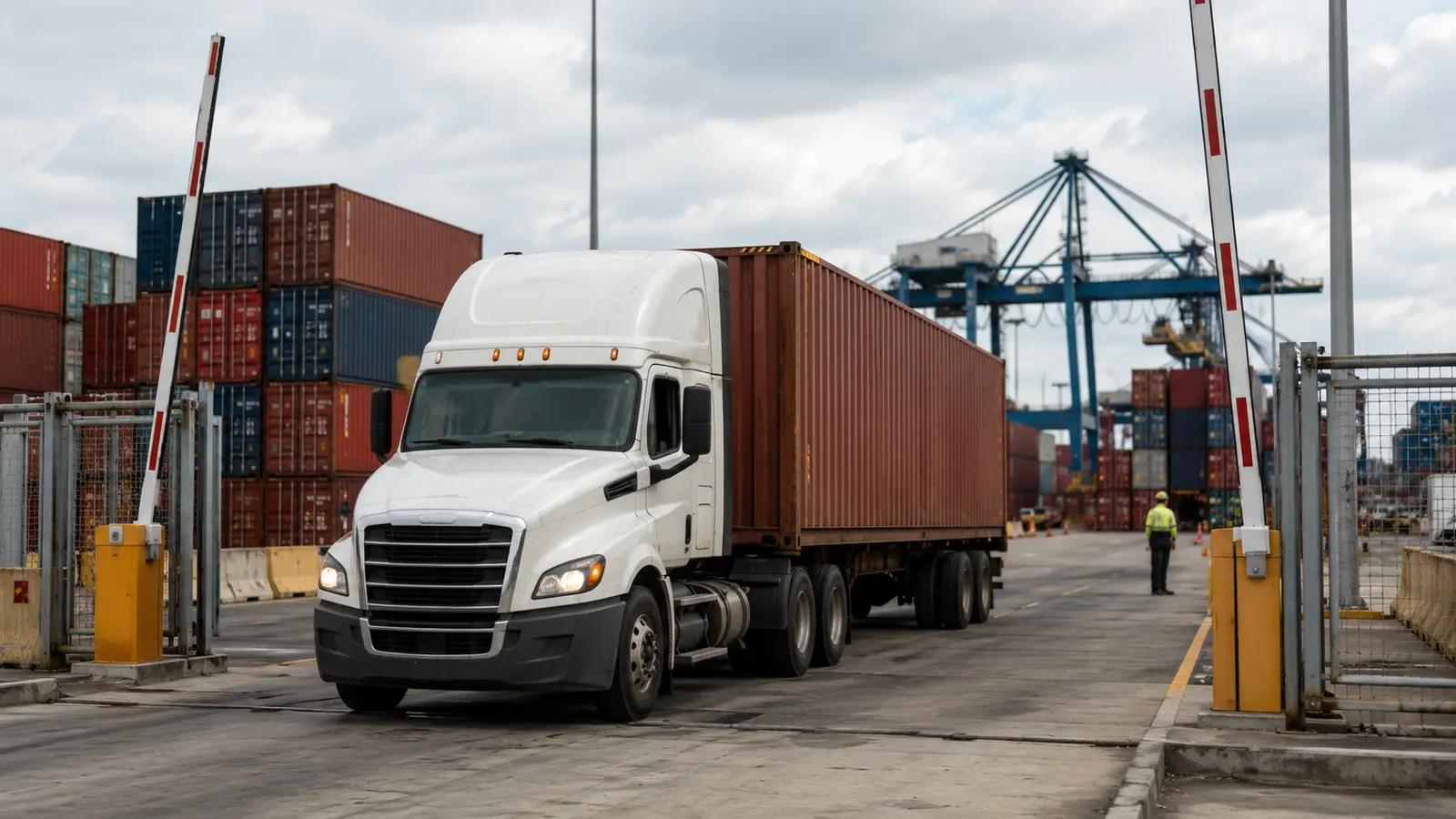
Finally, a truck carries the released goods to the named U.S. warehouse.
Sea freight usually suits large, heavy, or regular inventory shipments. FCL gives one shipper a full container. LCL combines cargo from several shippers in one container. FCL often gives better control for large loads. LCL lets smaller shipments pay for shared space.
Air freight usually suits urgent, higher-value, or medium-sized cargo. It is faster than ocean freight, but it normally costs more. Airlines usually price cargo by chargeable weight, which compares actual weight with volumetric weight.
Express courier service usually suits samples and small urgent parcels. The process is simple, but the cost per kilogram can become high for larger shipments.
DDP is not a transport method. DDP is an Incoterm. Under DDP, the seller has broad responsibility for transport, import clearance, duties, and delivery to the named place. Both parties should confirm who will act as the importer of record.
No fixed price applies to every shipment. The total cost may include supplier pickup, export handling, terminal charges, international freight, customs brokerage, duties, taxes, inspections, destination handling, storage, and final trucking.
Cargo volume and weight have a major effect. Product type also matters. Regulated goods may need special handling or extra records. The route matters as well. A warehouse near a major port or airport may be cheaper to serve than a remote inland location.
Importers should compare complete door-to-warehouse quotations. A low port-to-port rate may exclude important destination costs.
The importer should use an accurate product description, customs value, country of origin, and Harmonized Tariff Schedule classification. The importer should also check whether another government agency regulates the goods. Missing or incorrect information can cause inspections, delays, or extra costs.
A customs broker can file the entry, but the importer still has compliance responsibilities. The importer should review all documents before departure.
The warehouse checks the carton or pallet count and records visible damage. The warehouse may then store, sort, label, repack, cross-dock, fulfill, or distribute the goods. Importers can review Efan Logistics’ U.S. warehousing and distribution services for these options.
The shipper should confirm appointment rules, receiving hours, pallet standards, delivery references, and contact details before dispatch.
The importer should provide the product name, HS code if known, carton quantity, dimensions, weight, cargo value, supplier address, U.S. warehouse address, delivery date, and preferred Incoterm. These details allow the forwarder to compare China to USA warehouse shipping options and estimate the likely total cost.
International Trade Administration. “Know Your Incoterms.” Trade.gov, U.S. Department of Commerce
U.S. Customs and Border Protection. “Basic Importing and Exporting.” CBP.gov,
Tell us your cargo details. We help U.S. importers, Amazon sellers, and e-commerce businesses arrange shipping from Chinese suppliers to U.S. warehouses, stores, or FBA centers.