Sep 10, 2026
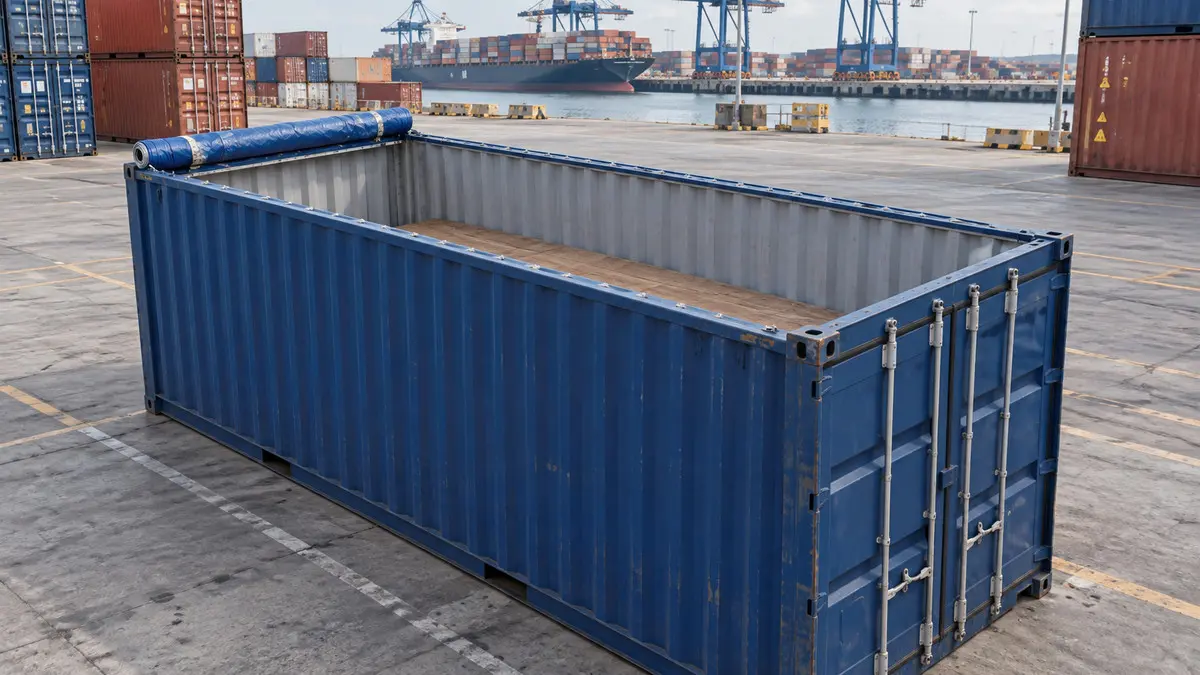
Open top container
Amazon FBA, or Fulfillment by Amazon, allows sellers to send inventory to Amazon fulfillment centers. Amazon then stores the products, picks and packs orders, ships to customers, and handles many customer service tasks.
Shipping from China to Amazon FBA means moving goods from a factory, supplier, or warehouse in China to an Amazon fulfillment center in the United States. Sellers may ship directly to Amazon or first use a U.S. 3PL warehouse for inspection, labeling, palletizing, or split delivery.
Sellers can ship directly from China to Amazon FBA, but the shipment must follow Amazon requirements. Before shipping, sellers should create the shipment in Seller Central, confirm the assigned fulfillment center, prepare FNSKU labels if needed, print FBA box labels, and provide accurate box content information.
Direct shipping is suitable for stable products with confirmed quality and correct packaging. For new products, high-value goods, or shipments that may need repacking, using a U.S. 3PL warehouse first is often safer.
Sellers must confirm who will act as the Importer of Record, as Amazon will not serve as the IOR for FBA inventory imported into the United States.
1. Confirm product details, packaging, carton size, weight, compliance requirements, and whether special FBA prep is needed.
2.Create the FBA shipment in Seller Central and confirm the assigned FBA destination address or shipment destinations, shipment ID, box labels, and packing information.
3. Prepare product labels, FBA box labels, and any required warning labels before the goods leave the supplier.
4. Choose the shipping method: sea freight, air freight, or DDP, based on cargo volume, urgency, and budget.
5. Arrange pickup, export customs clearance in China, international transportation, U.S. customs clearance, and final delivery to Amazon or a 3PL warehouse.
6. Track Amazon receiving status after delivery and check for missing units, label issues, or quantity differences.
The best way to ship from China to Amazon FBA depends on shipment size, delivery deadline, and total landed cost. Sea freight is usually best for bulk inventory. Air freight is faster for urgent restocking. DDP is convenient when sellers want one provider to handle customs, duties, and delivery. Sellers should confirm the IOR arrangement, customs declaration method, duties, and excluded charges before choosing a DDP quote.
Option | Best For | Main Advantage | Main Limitation |
Air freight | Urgent replenishment or launch stock | Fast delivery | Higher cost |
DDP shipping | Sellers who prefer door-to-door service | Duties, customs, and delivery may be included | Less control if provider is not transparent |
Option | Best For | Advantages | Disadvantages |
Direct to Amazon FBA | Stable products with correct labels and prep | Fewer steps and faster route | Less flexibility if cartons or labels are wrong |
U.S. 3PL first | New products, inspection, repacking, or split shipments | More control before Amazon delivery | Extra warehouse and handling cost |
The total cost of shipping from China to Amazon FBA is more than the freight rate. Sellers should calculate the full landed cost before choosing a shipping method.
· China pickup and export customs clearance
· Sea freight, air freight, or DDP transportation
· U.S. customs clearance, import duties, and taxes
· Destination handling, warehouse fees, or port-related charges
· FBA prep, labeling, palletizing, or carton replacement if needed
· Final delivery to Amazon FBA or a U.S. 3PL warehouse
· Amazon-related inbound, storage, or placement fees when applicable
· FNSKU labels must match the correct SKU when Amazon barcode labels are required.
· Each shipping box needs the correct FBA box ID label from the shipment plan.
· Carton quantity, weight, and dimensions should match the declared box content information.
· Cartons and pallets should meet Amazon inbound requirements.
· Products such as fragile goods, liquids, bundles, textiles, or baby products may need special prep.
· The shipment must be delivered to the Amazon fulfillment center assigned in Seller Central.
· For LTL, FTL, or palletized deliveries, the carrier or forwarder usually needs to book a delivery appointment and provide shipment details in advance.
· Shipping before creating the FBA shipment plan.
· Using the wrong FNSKU or missing FBA box labels.
· Sending goods to the wrong Amazon warehouse.
· Assuming the supplier fully understands Amazon FBA requirements.
· Choosing the cheapest DDP quote without checking customs responsibility.
· Using vague product descriptions for customs clearance.
· Ignoring product compliance requirements for electronics, batteries, cosmetics, food-related items, or children’s products.
· Not allowing enough time before peak season or sales events.
· Product name, material, and usage
· HS or HTS code if available
· Cargo value, carton quantity, weight, and dimensions
· Pickup address in China
· Amazon FBA destination address or shipment ID
· Whether products are already labeled and packed for FBA
· Preferred shipping method: sea, air, or DDP
· Required delivery deadline and any special delivery requirements
Shipping from China to Amazon FBA can be simple when product prep, labels, customs documents, and delivery details are prepared early. Sea freight is usually best for large planned shipments, air freight is better for urgent restocking, and DDP is convenient for sellers who want customs clearance, duties, and delivery handled together.
The right option should balance cost, speed, compliance, Amazon receiving requirements, and inventory planning. A reliable freight forwarder can help reduce delays, avoid hidden fees, and make FBA delivery smoother.
Sea freight is best for large planned shipments, air freight is better for urgent restocking, and DDP is useful when sellers want customs clearance, duties, and delivery included.
Yes, but the supplier must follow Amazon FBA labeling, packing, and shipment requirements. Sellers should provide clear instructions before shipping.
DDP can be convenient because it may include freight, customs clearance, duties, taxes, and final delivery. Sellers should still confirm who handles customs and what fees are included.
Direct shipping is efficient for well-prepared goods. A 3PL warehouse is better if you need inspection, relabeling, repacking, palletizing, or split delivery.
Products may need FNSKU labels, and each shipping box needs an FBA box ID label. Palletized shipments also require pallet labels, usually four labels per pallet, in addition to FBA box ID labels.
Provide product details, cargo value, carton quantity, weight, dimensions, pickup address, Amazon destination, shipment ID if available, and preferred shipping method.
Tell us your cargo details. We help U.S. importers, Amazon sellers, and e-commerce businesses arrange shipping from Chinese suppliers to U.S. warehouses, stores, or FBA centers.