Jul 09, 2026
How Does Customs Clearance from China to USA Work? Documents, Duties and Delays
以下正文约 720 词,不含参考文献。
International trade contracts need a clear delivery point. The U.S. International Trade Administration’s “Know Your Incoterms” guide explains that the 11 Incoterms® 2020 rules divide tasks, costs, and risks between sellers and buyers (International Trade Administration). These rules do not set the price, payment method, transfer of ownership, or remedies for a broken contract.
FCA stands for “Free Carrier.” Under FCA Incoterms 2020, the seller delivers the goods to a carrier or another person nominated by the buyer at an agreed place. The parties can use FCA for road, rail, air, sea, or multimodal transport. The named place can be a factory, warehouse, airport terminal, or container terminal.
The parties should name the exact delivery point, not only a city or port. HM Revenue & Customs states in its Incoterms guidance that risk passes to the buyer at this point (HM Revenue & Customs). A clear contract could state: “FCA Seller’s Warehouse, Gate 3, Shenzhen, China, Incoterms® 2020.”
FCA has two delivery situations. If the named place is the seller’s premises, the seller completes delivery after loading the goods onto the buyer’s collecting vehicle. If the named place is elsewhere, the seller takes the goods there on its own vehicle. The seller completes delivery when the goods are available to the buyer’s carrier and ready for unloading. The seller does not have to unload them.
Risk transfers when delivery is complete. It does not wait until the cargo reaches its destination. Therefore, the buyer normally bears risk during the main journey. FCA does not require either party to buy cargo insurance, but the buyer should consider coverage from the delivery point.
The seller must provide the agreed goods and commercial invoice. The seller must pack and mark the cargo as required. The seller also handles any required export licenses, export customs clearance, and related formalities. The seller pays costs and bears risk until delivery at the named point.
The seller loads the buyer’s vehicle when delivery occurs at the seller’s premises. When delivery occurs elsewhere, the seller normally arranges and pays for transport to that place.
The buyer nominates the carrier and provides pickup instructions. The buyer normally arranges and pays for the main transport from the FCA point. The buyer handles unloading when delivery occurs away from the seller’s premises.
The buyer also completes transit and import customs procedures. The buyer pays import duties, taxes, and costs after delivery.
FCA gives the seller more duties than EXW. Under EXW, the seller usually makes the goods available but does not load the buyer’s vehicle or clear the goods for export. Under FCA at the seller’s premises, the seller performs both tasks.
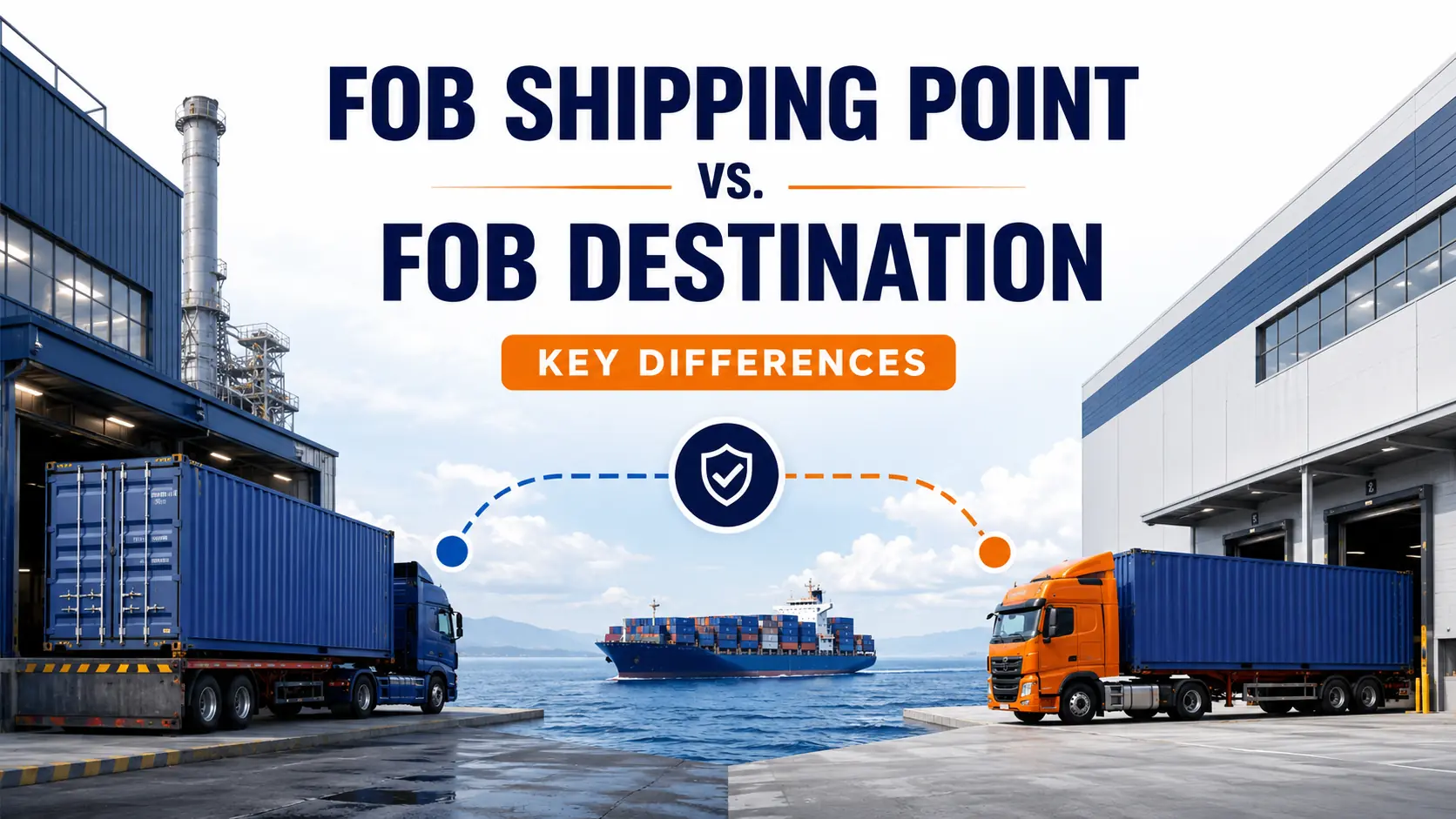
FCA also differs from FOB. FCA works with every transport mode. FOB applies only to sea and inland waterway transport. Under FOB, risk transfers when the goods are on board the buyer’s nominated vessel. Under FCA, risk can transfer at a container terminal before vessel loading. FCA is often better suited to container cargo delivered to a terminal.
Under FCA, the buyer pays for the main carriage. Under CPT, the seller arranges and pays for carriage to the named destination. However, risk under CPT still passes when the seller delivers the goods to the carrier.
A Shenzhen supplier sells machinery under “FCA Seller’s Warehouse, Shenzhen, Incoterms® 2020.” The buyer books a forwarder and sends a truck. The seller packs the machinery, clears it for export, and loads the truck. Risk passes when loading is complete. The buyer then pays for the main freight, optional insurance, import clearance, duty, and final delivery.
Companies that need help comparing routes or arranging international freight can review the services at www.efanddp.com. However, both parties should still record the exact FCA point in the sales contract.
FCA Incoterms can work well when the seller manages the origin process and export clearance, while the buyer controls the main transport. Both parties should state the full address, exact handover point, and “Incoterms® 2020.” These details reduce disputes about loading, charges, and risk.
Tell us your cargo details. We help U.S. importers, Amazon sellers, and e-commerce businesses arrange shipping from Chinese suppliers to U.S. warehouses, stores, or FBA centers.