Jul 08, 2026
How to Consolidate Freight from Multiple Suppliers in China
International trade contracts need clear shipping rules. Buyers often search for “CIP meaning” when they compare freight terms. CIP and CIF look similar because both require the seller to arrange carriage and insurance. However, they use different delivery points, transport modes, and insurance levels. Under both rules, risk passes before the goods reach the destination. This fact often causes confusion.
CIP means Carriage and Insurance Paid To. Under CIP, the seller delivers the goods to an agreed carrier. If the shipment uses several carriers, delivery normally occurs when the first carrier receives the goods. The risk of loss or damage then passes to the buyer. The seller still pays for carriage and insurance to the named destination.
CIP can be used for road, rail, air, sea, or multimodal transport. The U.S. International Trade Administration lists CIP among the seven Incoterms® 2020 rules for any transport mode. This flexibility makes CIP useful for containerized shipments.
For example, a seller may send machinery by truck to a port, by ship to another country, and then by rail to an inland city. CIP can cover the seller’s carriage and insurance obligations to that city. However, the buyer bears the risk after the first carrier accepts the machinery.
CIF means Cost, Insurance and Freight. Under CIF, the seller places the goods on board a vessel at the port of shipment. The risk then passes to the buyer. The seller still pays for freight and insurance to the named port of destination.
CIF applies only to sea and inland waterway transport. It fits port-to-port shipments when the seller delivers cargo on board the vessel. Traders often use CIF for bulk commodities. CIP is often clearer for containerized cargo because the seller usually hands the container to a carrier before vessel loading.
Insurance is a major difference between CIP and CIF. Under Incoterms® 2020, CIP requires the seller to obtain cover that follows Institute Cargo Clauses A or similar clauses. This standard provides broad cover, subject to the policy’s conditions and exclusions.
CIF requires a lower default level. The seller must obtain cover that follows Institute Cargo Clauses C or similar clauses. This cover protects against a narrower list of named risks. The International Chamber of Commerce confirms these different default levels in its official Incoterms® 2020 guidance. The parties may choose another level, but they should record it clearly in the sales contract.
Insurance and risk transfer are separate. Under CIP, the buyer bears the risk after delivery to the first carrier, although the seller pays for insurance to the destination. Under CIF, the buyer bears the risk after loading on board, although the seller pays for insurance to the destination port.
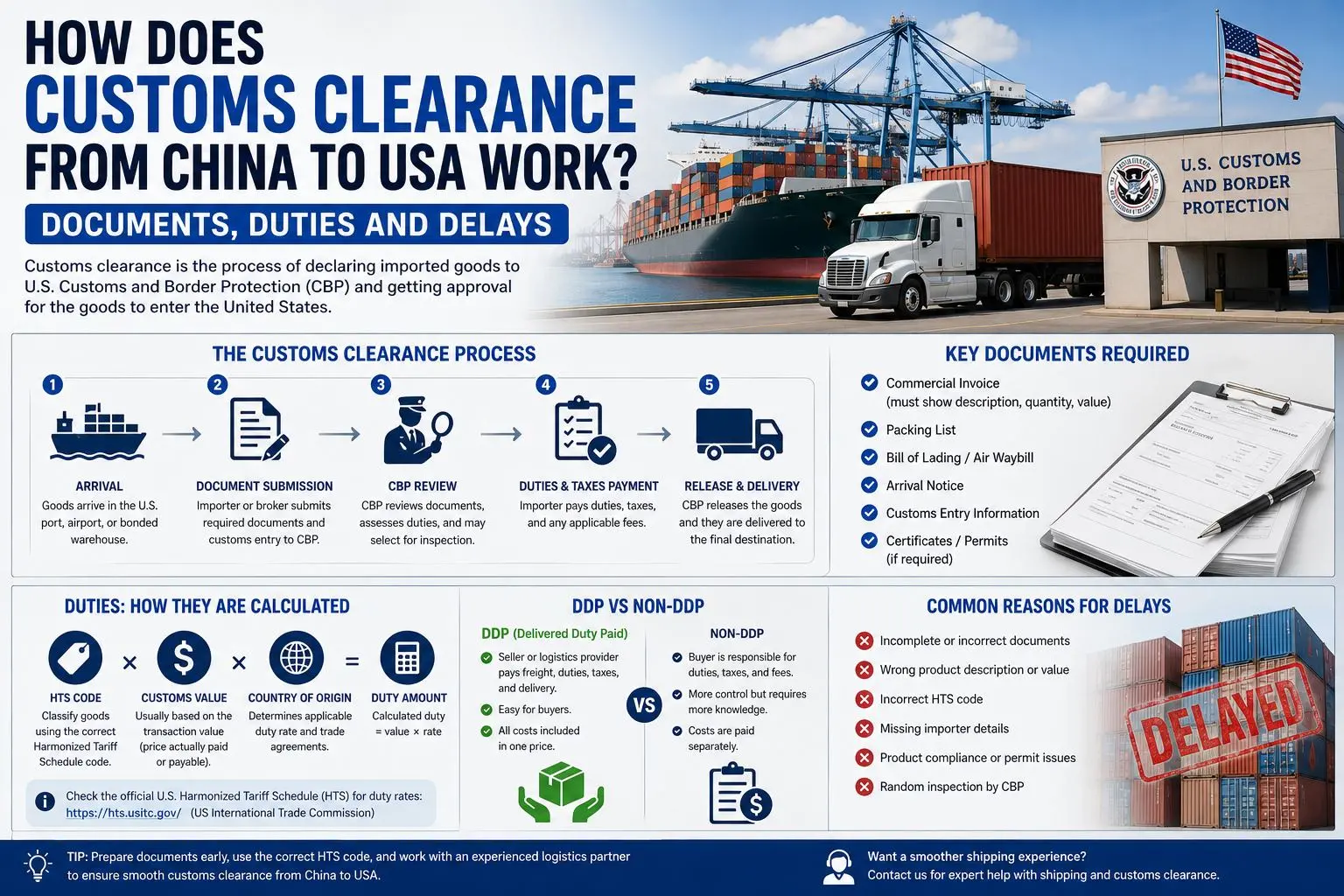
Both rules require the seller to clear the goods for export. Both rules require the seller to arrange the main carriage and the required insurance. The buyer usually handles import clearance, duties, and taxes.
CIP allows any transport mode, while CIF allows only sea or inland waterway transport. CIP transfers risk when the carrier receives the goods. CIF transfers risk when the goods are on board the vessel. CIP names a place of destination, while CIF names a port of destination. CIP also requires broader default insurance.
Neither rule decides when ownership passes. Neither rule sets the payment method or covers every part of the sales contract. The parties must address those matters separately.
The parties should match the rule to the real transport process. CIP usually fits air, road, rail, container, and multimodal shipments. CIF can fit port-to-port shipments involving bulk or other goods loaded directly on board.
The contract should state the full rule, destination, and edition. The parties can write “CIP Chicago, Illinois, USA, Incoterms® 2020” or “CIF Port of Los Angeles, USA, Incoterms® 2020.” The parties should also identify the delivery point because the risk point differs from the destination point.
Businesses that need help comparing routes, insurance needs, and door-to-door options can visit www.efanddp.com. A freight forwarder can explain the transport process. However, each party should check that the contract and policy match the cargo and agreed risk allocation.
Tell us your cargo details. We help U.S. importers, Amazon sellers, and e-commerce businesses arrange shipping from Chinese suppliers to U.S. warehouses, stores, or FBA centers.