
Aug 19, 2026
CIF vs CIP Explained: Key Differences in Shipping and Insurance
Shipping Container Dimensions and Sizes: A Complete Guide
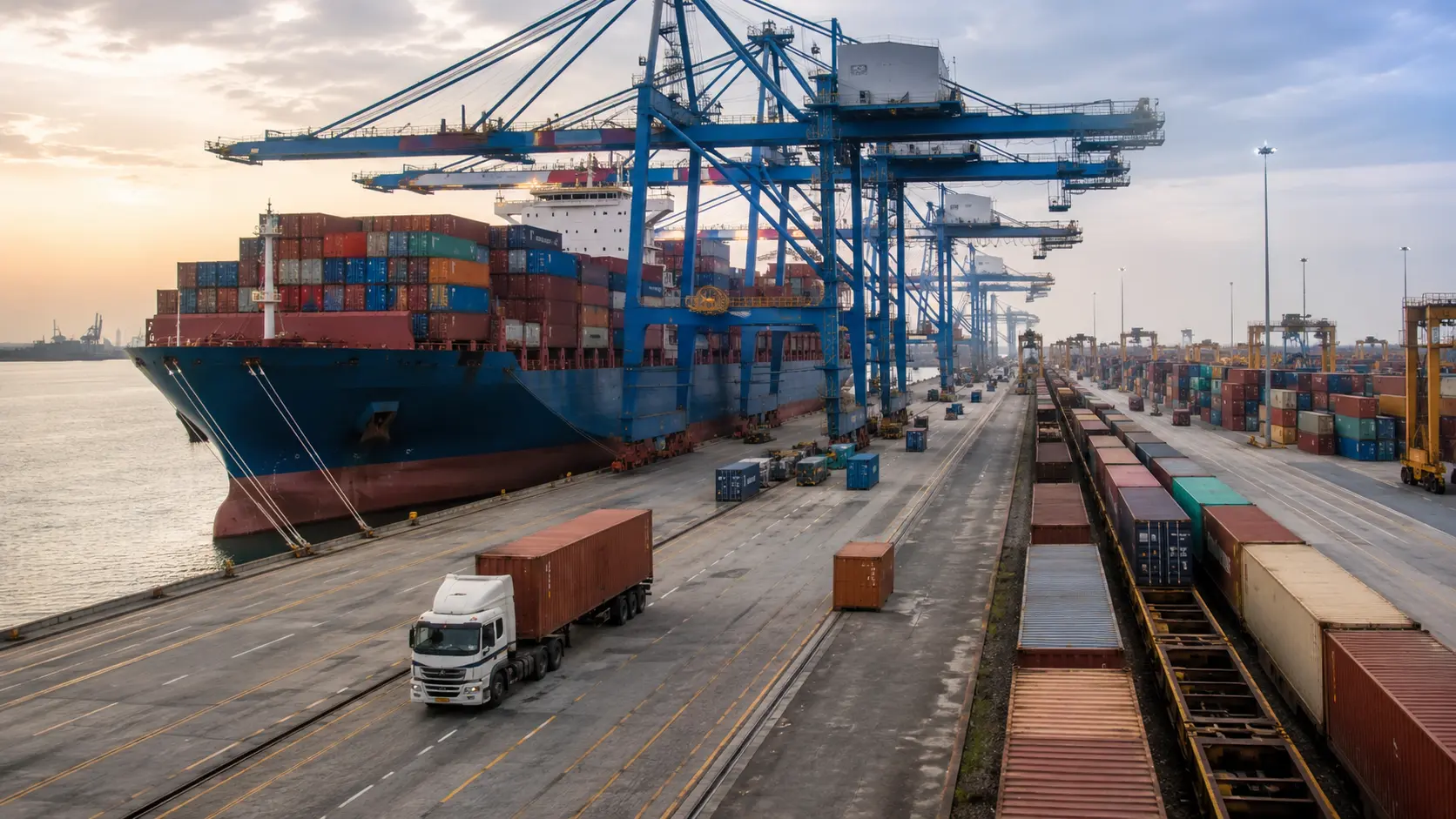
Shipping container dimensions describe more than a box’s length, width, and height. They include the external size, internal loading space, door opening, cubic capacity, and weight limits. Each figure answers a different question. External measurements show whether the unit fits ships, cranes, chassis, and terminals. Internal measurements show whether the cargo fits inside. Door measurements show whether workers can load the cargo through the entrance.
The current ISO 668:2020 standard classifies Series 1 freight containers by external dimensions. It also covers ratings and minimum internal and door-opening dimensions for certain container types. ISO states that the relevant part of ISO 1496 provides the final authority for the internal dimensions of each type (International Organization for Standardization).
The IMO/ILO/UNECE CTU Code informative material also provides minimum internal measurements for general-purpose containers. These minimum figures help with early planning. However, actual shipping container dimensions can vary slightly because of wall design, flooring, doors, and manufacturing details. Shippers should always confirm the selected unit before loading (International Maritime Organization 17–18).
The table below compares standard dry containers. External figures are standardized. The internal figures and volumes shown are minimum values, not a promise for every individual unit.
| Container | External L × W × H | Minimum internal L × W × H | Minimum volume |
|---|---|---|---|
| 20-foot standard | 6.058 × 2.438 × 2.591 m | 5.867 × 2.330 × 2.350 m | 32 m³ |
| 40-foot standard | 12.192 × 2.438 × 2.591 m | 11.998 × 2.330 × 2.350 m | 66 m³ |
| 40-foot high cube | 12.192 × 2.438 × 2.896 m | 11.998 × 2.330 × 2.655 m | 74 m³ |
| 45-foot high cube | 13.716 × 2.438 × 2.896 m | 13.522 × 2.330 × 2.655 m | 84 m³ |
A standard container is 8 feet 6 inches high. A high-cube container is 9 feet 6 inches high. Therefore, a high cube adds 305 mm, or one foot, of external height. A 40-foot high cube has about 12% more minimum volume than a standard 40-foot unit.
A 20-foot container often suits dense cargo, such as stone, metal parts, or heavy machinery. Its smaller space can reach a weight limit before it runs out of room. A 40-foot container usually suits lighter or bulky goods. It offers about twice the minimum volume of a 20-foot unit, but it does not automatically allow twice the cargo weight.
A 40-foot high cube suits furniture, packaged consumer goods, and other low-density cargo. Its extra height can improve loading efficiency. However, it may also create inland clearance issues on some routes. A 45-foot high cube provides more space, but equipment availability and route acceptance are less universal.
Cargo can fit inside a container but still fail to pass through its doors. The CTU Code gives a minimum door opening of 2.286 m wide by 2.261 m high for an 8-foot-6-inch container. The minimum high-cube opening is 2.286 m wide by 2.566 m high (International Maritime Organization 17). Shippers should include pallets, crates, lifting equipment, and loading angles when they check clearance.
A refrigerated container has insulation and cooling equipment. Its outside size can match a dry container, but its usable interior is smaller. An open-top container usually follows the same basic footprint as a dry unit, but its removable roof helps with tall cargo and crane loading. A flat rack has no full side walls or roof. It can carry oversized cargo, but every load needs checks for dimensions, weight distribution, securing, and carrier approval.
A shipper should first measure every packed item, including pallets and protective material. The shipper should then calculate total volume and total weight. The plan should leave space for loading, bracing, and any required airflow. The shipper must also check the container’s CSC safety plate, door opening, floor limits, and road restrictions.
For cargo moving from China to the United States, www.efanddp.com can help confirm equipment details and plan a suitable door-to-door shipping option. The final booking should state the exact container type. The shipper should request unit-specific dimensions when a few centimeters could affect loading.
Tell us your cargo details. We help U.S. importers, Amazon sellers, and e-commerce businesses arrange shipping from Chinese suppliers to U.S. warehouses, stores, or FBA centers.