May 27, 2026
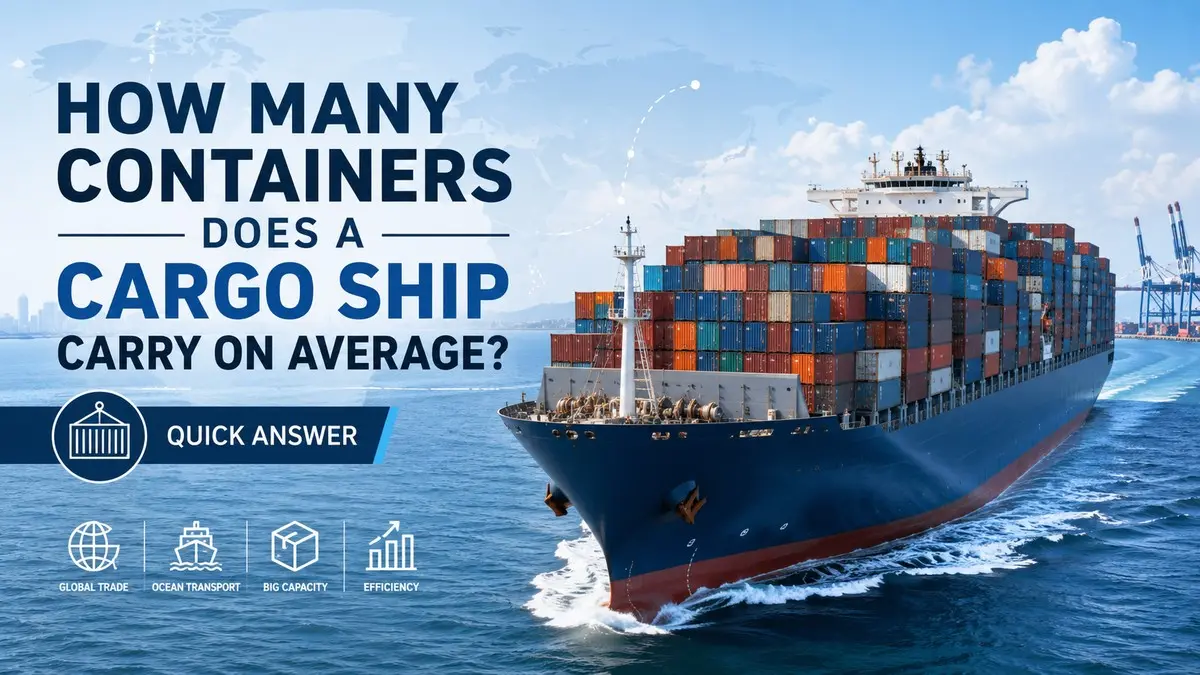
How Many Containers Does a Cargo Ship Carry on Average? (Quick Answer)
When a tracking page shows “in transit,” the shipment is moving through the carrier’s transport network. The carrier or its logistics partner has usually accepted the freight, but the consignee has not received it. If you search for “in transit meaning,” this is the key point: the status does not always mean that a truck, ship, train, or aircraft is moving at that moment. The freight may be moving, being sorted, or waiting for the next planned step.
The USPS tracking guide explains that an in-transit package can be processed or transported. Similar scans may also appear more than once. The USPS example comes from parcel tracking, so it does not set a universal rule for commercial freight. Still, this official example shows why a tracking system can use one broad status between acceptance and final delivery (United States Postal Service).
Freight enters transit after pickup or carrier acceptance. The status can cover several parts of a route. A truck or less-than-truckload shipment may travel between terminals or wait at a hub. An ocean container may be at sea, at a transshipment port, or waiting for an inland rail move. Air freight may be on a flight or waiting for a connection.
No single tracking rule applies to every carrier. Each carrier uses its own scan events and status labels. Some systems keep the words “in transit” during normal stops. Other systems show detailed updates, such as “departed terminal,” “vessel arrived,” or “customs clearance in progress.” A shipper should therefore read the latest event, location, and time together.
A “label created” or “booking confirmed” status usually means that shipment data exists. The carrier may not yet have the freight. An “in transit” status usually means that the freight has entered the transport process and has not reached final delivery.
An “out for delivery” status is later in the route. It usually means that the freight is with the local delivery operation and is scheduled for the final trip to the consignee. A “delivered” status means that the carrier has recorded delivery. The shipper may still need proof of delivery for business freight.
An “exception,” “held,” or “delayed” update is different. That update points to a known problem or pause. The words “in transit” alone do not confirm a delay. They also do not guarantee on-time arrival. The estimated time of arrival remains an estimate.
Customs transit is also different from a normal tracking status. The European Commission’s customs guidance defines customs transit as a formal procedure for moving goods between customs territories or between points in one customs territory. The procedure can temporarily suspend duties and taxes until the proper clearance point. A shipment can be under a customs transit procedure and also show an ordinary in-transit tracking status. However, the two terms do not mean the same thing (European Commission).
Tracking updates usually depend on scans or data messages at certain checkpoints. A long ocean voyage or rail journey may produce no new public event for several days. A shipment may also wait for consolidation, terminal handling, a scheduled connection, customs review, or a delivery appointment. Data can sometimes reach the public tracking page after the physical event.
A stale scan does not prove that freight is lost. However, a shipper should investigate when the shipment passes its expected arrival date. A shipper should also investigate when the carrier posts an exception or when the update gap is longer than the route normally requires. The carrier or freight forwarder may have more details than the public page.
A shipper should review the tracking number, bill of lading number, container number, latest location, and estimated arrival date. For international freight, the shipper should ask whether the goods have departed, reached the port or airport, cleared customs, and entered final delivery. These questions identify the real stage better than the broad “in transit” label.
Businesses that need help with FCL, LCL, air freight, or DDP door-to-door shipments can visit www.efanddp.com to discuss route-specific updates and shipping support. A useful status report should state where the freight was last confirmed, what event comes next, and whether the expected delivery date has changed.
In short, the in transit meaning is simple: the carrier’s process is still active, and final delivery has not been recorded. The exact location and next step depend on the latest scan, the transport mode, and the carrier’s tracking system.
European Commission. “Customs Transit.” Taxation and Customs Union
United States Postal Service. “Where Is My Package? Tracking Status Help.” USPS
Tell us your cargo details. We help U.S. importers, Amazon sellers, and e-commerce businesses arrange shipping from Chinese suppliers to U.S. warehouses, stores, or FBA centers.