Aug 28, 2026
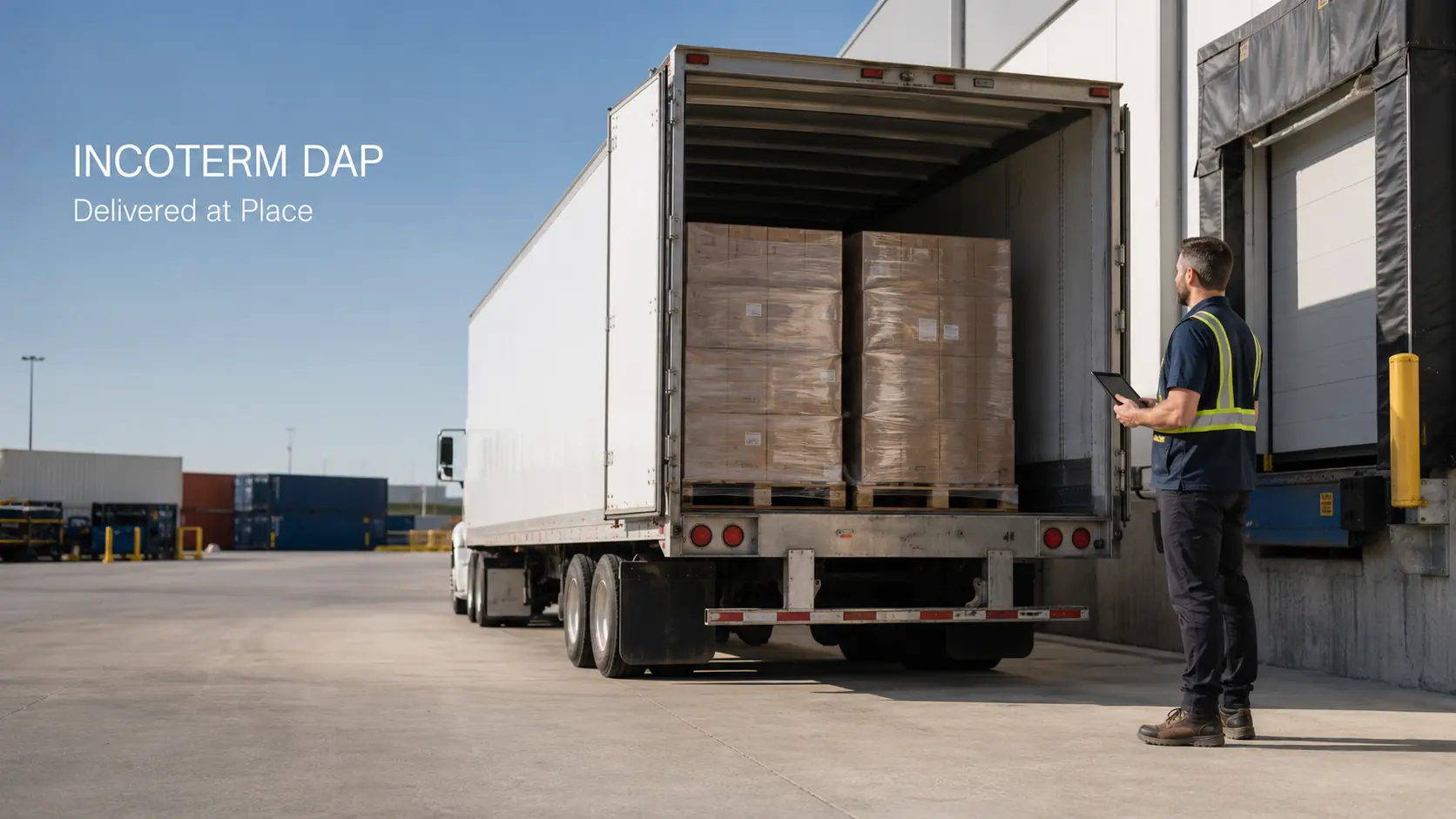
Definition of the Incoterm DAP (Delivered at Place)
DPU means Delivered at Place Unloaded. Under DPU Incoterms, the seller delivers when the goods are unloaded from the arriving vehicle and available to the buyer at the agreed destination. Risk normally passes at that point. Buyers should understand this rule before comparing freight quotes because unloading and import clearance belong to different parties.
DPU works with any transport mode, including combined sea and road transport. The seller arranges and pays for transport and destination unloading. The seller also handles export clearance and applicable transit formalities. The buyer handles import clearance, import duties, and taxes. Neither party must arrange insurance for the other under DPU.
The ICC’s official Incoterms 2020 rules explain these obligations. Buyers should also note that failures involving import clearance or required notices can create exceptions to the normal risk allocation (International Chamber of Commerce).
DPU requires the seller to unload. DAP transfers risk before unloading, with goods available on the arriving vehicle. Under both rules, the buyer handles import clearance.
DDP also provides delivery before unloading, but the seller handles import clearance and import duties. DAP and DDP unloading charges may already sit within the seller’s transport contract. Both parties should check that contract before assigning those costs (International Chamber of Commerce).
The following example is hypothetical. A Chinese supplier sells packed furniture to a buyer in California. Both parties choose DPU and identify a specific receiving area at the buyer’s warehouse.
The supplier plans the transport and arranges unloading at that location. The buyer prepares for import clearance. This example shows why a quote that only says “delivery included” leaves useful questions unanswered. The buyer should ask whether the quoted service includes the equipment and workers needed at the warehouse.
For planning context, Efan Logistics’ China to USA warehouse shipping guide discusses the wider delivery process. Both parties should match their service booking to the delivery point in their sales agreement.
The buyer should request the full delivery address and the exact unloading point. A city name alone gives a transport provider little detail about access. A warehouse may have several gates, separate receiving areas, or limited space for trucks.
The seller should ask about opening hours, delivery appointments, and available equipment. The buyer should share cargo dimensions and weight with the parties planning unloading. Both sides should confirm whether a forklift, crane, or other equipment is suitable before they approve the plan.
The buyer should also ask for a written list of included services and excluded charges. This list should address waiting time, storage, failed appointments, and any extra handling. Both parties should agree how they will approve unexpected work and record related costs. These checks support planning; they do not replace the chosen trade rule.
The seller should send the unloading plan to the receiving team before dispatch. The buyer should confirm that the planned delivery window works for the site. Both parties should name a contact who can answer questions during arrival. They should also agree how staff will record visible damage and count packages. For larger shipments, the teams should discuss where unloaded goods will wait before warehouse staff move them into storage. This discussion helps turn a short trade term into a clear set of instructions for the people handling the cargo.
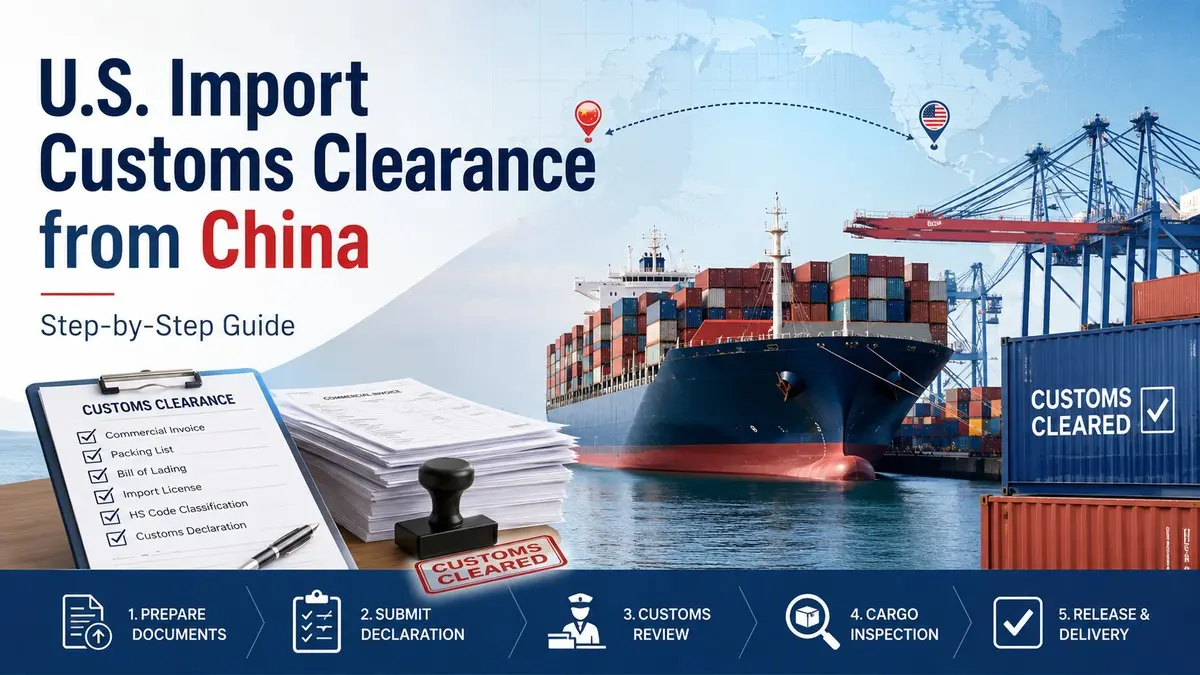
The buyer should discuss import documents with its customs broker before departure. Efan Logistics’ U.S. import customs clearance guide provides related process information. The buyer should confirm who will supply each document and when the broker needs it.
Both parties should keep one shared shipment record. This record can include the agreed destination, contact details, delivery instructions, and any approved changes. Clear records give everyone a common reference when the truck arrives.
The U.S. International Trade Administration’s Incoterms overview explains that Incoterms do not decide payment timing or ownership transfer. They also do not settle every issue in a sales contract (International Trade Administration).
Both parties should therefore state payment terms, product requirements, and dispute procedures separately. They should identify the chosen rule, the precise destination, and the Incoterms 2020 version. DPU works best when the seller can plan unloading and the buyer can manage import clearance. Both sides should check those practical abilities before accepting the quote.
Tell us your cargo details. We help U.S. importers, Amazon sellers, and e-commerce businesses arrange shipping from Chinese suppliers to U.S. warehouses, stores, or FBA centers.