Aug 28, 2026
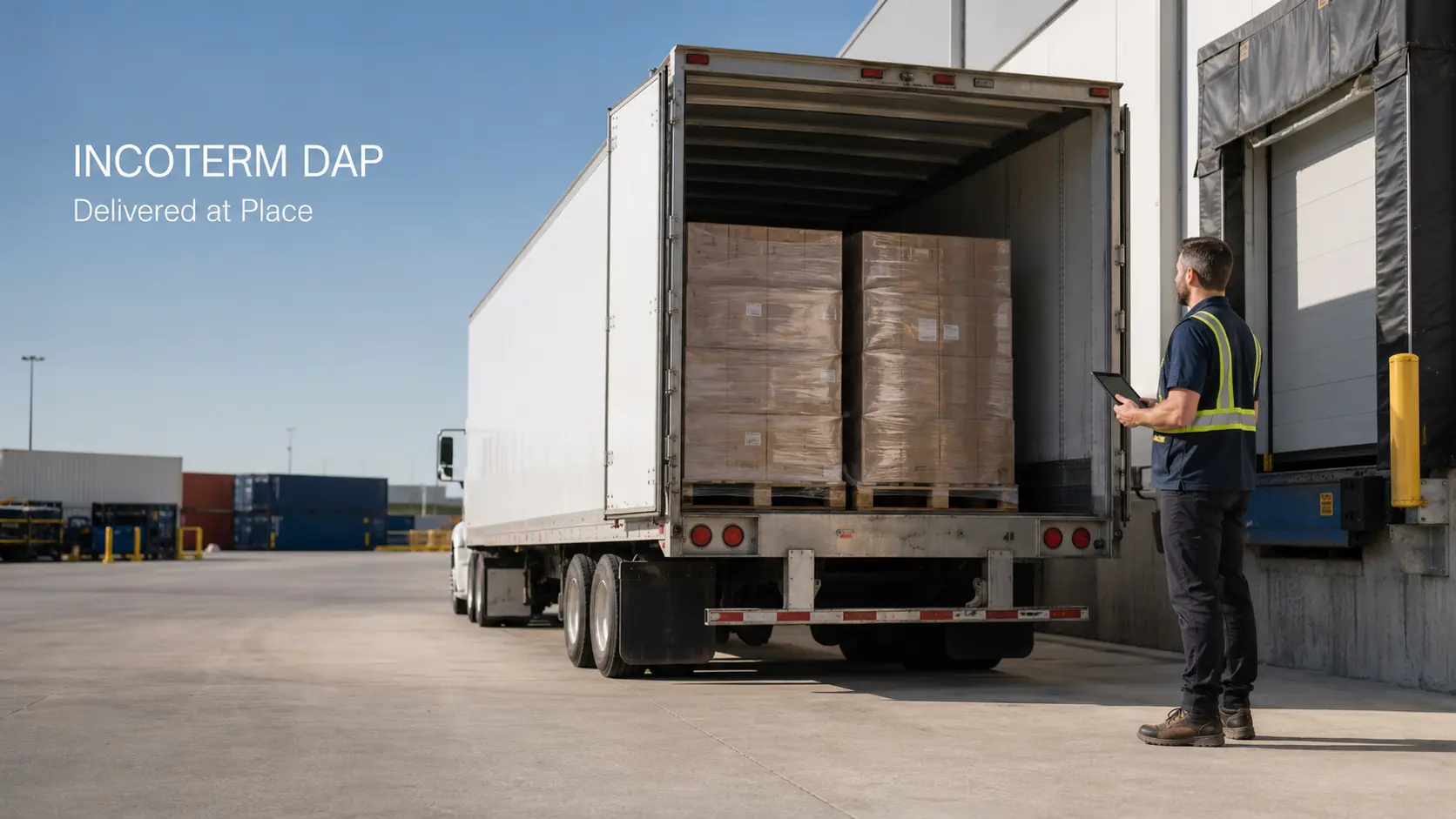
Definition of the Incoterm DAP (Delivered at Place)
Shipping a full container from China to the USA can feel hard the first time. The good news is that the steps follow a clear order. This guide explains the FCL booking process from China to USA in plain words. It also compares FCL with LCL, so you can choose the right option for your cargo.
FCL stands for Full Container Load. In FCL shipping, one shipper uses a whole container for its own goods. An FCL rate is usually a price for the whole container, so empty space still costs money. That is why importers often choose FCL when they have enough goods to fill most of a container. Efan Logistics offers FCL shipping from China to the USA for large orders like these.
LCL means Less than Container Load. In LCL shipping, goods from several shippers share one container. The table below compares the two options.
Point | FCL | LCL |
|---|---|---|
Container use | One shipper uses the whole container | Several shippers share one container |
Best for | Large orders | Small and medium orders |
Pricing | One price for the whole container | Price based on the space your goods use |
Speed | Often faster, because no cargo needs to be combined or split | Often slower, because cargo must be combined and split |
Damage risk | Lower, because the container stays sealed | Higher, because goods are moved more often |
In short, FCL often costs less per item when the order is large. LCL often costs less when the order is small. Efan's China warehouse and consolidation service can also combine goods from several suppliers into one container.
The FCL booking process from China to USA usually has six steps.
You and your supplier should first agree on the Incoterms. The International Trade Administration explains that Incoterms are 11 rules from the International Chamber of Commerce. Each rule shows the tasks, costs, and risks for the buyer and the seller. FOB is one of four rules made only for sea and inland waterway transport ("Know Your Incoterms"). Under FOB, the buyer books the main sea freight.
Next, you should match your cargo to a container size. A standard 20ft container holds about 33 cubic meters. A 40ft container holds about 67.5 cubic meters. But a 40ft container cannot carry twice the weight. Heavy goods may reach the weight limit before they fill the space. Our 20ft and 40ft container guide explains these limits.
Then you should send your cargo details to a freight forwarder. These details include the product type, volume, weight, pickup address, and delivery address. The forwarder reviews the details and sends you a quote. After you confirm it, the forwarder books space on a ship.
U.S. Customs and Border Protection (CBP) has a rule called the Importer Security Filing, or "10+2." This rule applies to import cargo that arrives in the United States by ship. CBP warns that a failure to follow the rule can lead to fines, more inspections, and cargo delays ("Importer Security Filing"). Our ISF filing guide explains that the filing must reach CBP at least 24 hours before the ship is loaded.
In many cases, a truck brings the empty container to the factory. Workers load the goods, and then the container is sealed. The forwarder also handles export customs clearance in China. After that, the container goes to the port and is loaded onto the ship.
When the ship arrives, the cargo must clear U.S. customs. The main documents are the commercial invoice, the packing list, and the bill of lading. Efan's customs clearance service helps importers with these papers and with duty payment. After customs releases the goods, a truck takes the container to your warehouse or store. Efan's U.S. trucking and final-mile delivery service covers this last step.
The FCL booking process from China to USA becomes easy once you know the order of the steps. You agree on the Incoterms, choose a container, and book space. Then the ISF is filed, the container ships, and the cargo clears customs. If you are ready to ship, you can ask Efan Logistics for a free FCL quote.
Tell us your cargo details. We help U.S. importers, Amazon sellers, and e-commerce businesses arrange shipping from Chinese suppliers to U.S. warehouses, stores, or FBA centers.