Sep 04, 2026
What Is the Letter of Indemnity in Shipping
Port-to-door delivery is a freight service that moves imported cargo from a U.S. seaport to a named warehouse, store, factory, or business address. It starts after the ocean shipment reaches the destination port. It ends when a local carrier delivers the cargo and receives proof of delivery. For companies using China to USA warehouse shipping, this service connects ocean freight with the final inland trip.
The exact scope depends on the quotation and shipping terms. A normal service may include arrival coordination, customs support, terminal pickup, drayage, inland trucking, and final delivery.
The service does not always include import duties, customs examinations, storage, demurrage, detention, chassis fees, unloading, or warehouse labor. The importer should request an itemized quotation. The importer should also confirm who is the importer of record and who pays each destination charge.
First, the ocean carrier or destination agent sends an arrival notice. The notice usually identifies the vessel, container, port, and shipment reference.
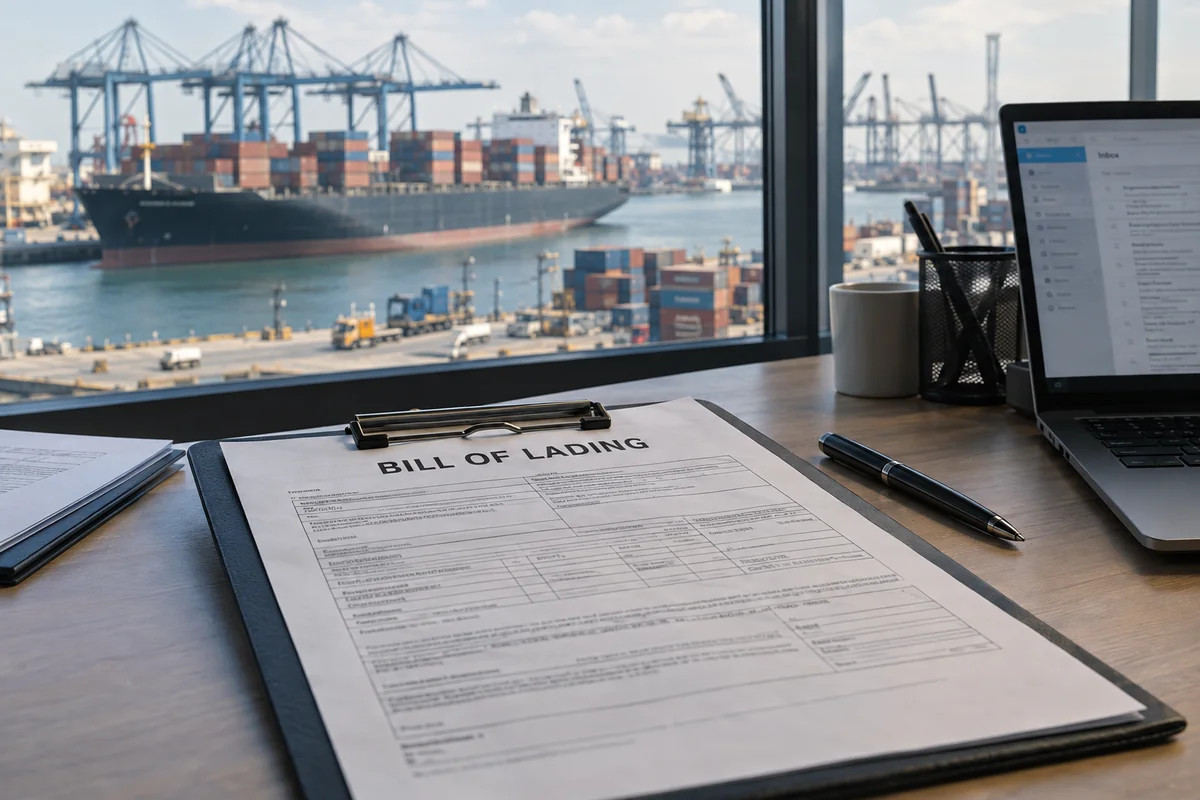
Second, the importer or customs broker prepares the customs entry. Common documents include a commercial invoice, packing list, bill of lading, product description, customs value, origin, and tariff classification. U.S. Customs and Border Protection explains that importers and the trade community share responsibility for following import laws. Importers can review CBP’s Basic Importing and Exporting guidance before the cargo arrives (U.S. Customs and Border Protection).
Third, the shipment must receive customs release. Other government agencies may also review regulated products. Customs release does not always mean that the container is ready for pickup. The carrier and terminal may still need to release the freight after the required charges and documents are complete.
Fourth, the trucker checks container availability, terminal gate hours, and pickup rules. Many container terminals use appointment systems. The Port of Los Angeles provides terminal gate information and appointment resources on its official Trucks and Supply Chain page (Port of Los Angeles).
Fifth, a drayage truck collects the container. Drayage is a short inland move between a port and a warehouse, rail yard, or distribution point. Importers that need full-container service can review Efan Logistics’ FCL shipping from China to the USA options.
Finally, the truck delivers the freight to the named address. The warehouse unloads the container or receives loose cargo. The driver then records the delivery through signed or electronic proof of delivery.
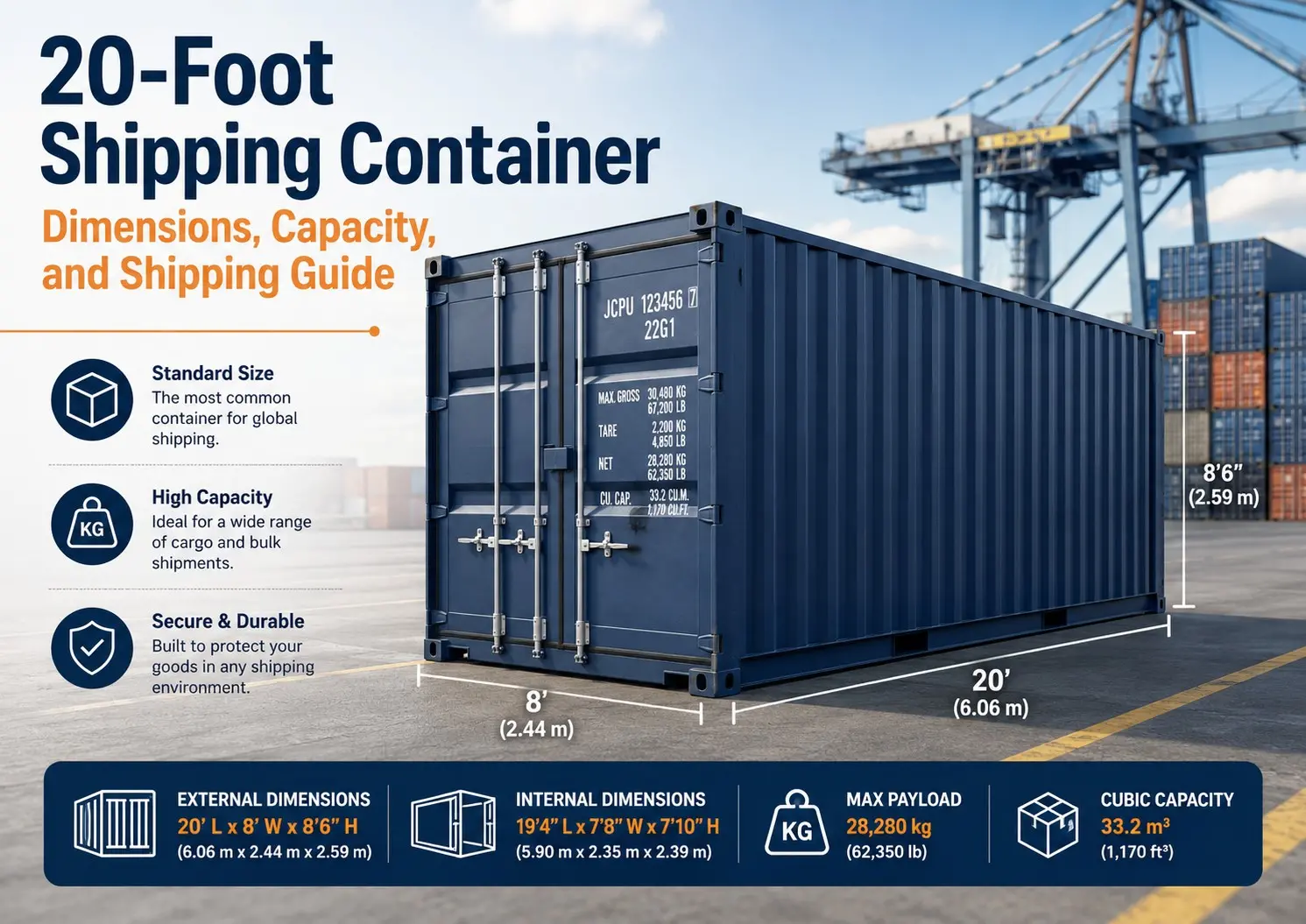
FCL means that one shipper uses a full container. The trucker can often move the sealed container from the terminal to the delivery point after release. The receiver needs enough space, workers, and equipment to unload it within the agreed time.
LCL means that several shippers share one container. The container normally moves to a bonded warehouse or container freight station for deconsolidation. The importer’s cargo is then separated and delivered as loose freight or pallets. LCL may suit smaller loads, but it adds another handling stage.
Port-to-port service covers the ocean trip between the origin and destination ports. The importer manages customs clearance, terminal pickup, and inland delivery in the United States.
Port-to-door service adds delivery from the U.S. port to the final address. It may include customs support, but the service agreement must state this clearly.
Door-to-door service covers a wider route. It starts at the supplier or pickup address in China and ends at the final U.S. address. One logistics plan connects the main stages, so this option may be easier to manage.
The price depends on the port, delivery distance, cargo type, container size, weight, appointment rules, and equipment needs. Possible charges include customs brokerage, duties, terminal handling, drayage, fuel, tolls, chassis use, storage, demurrage, detention, and unloading.
Missing documents, customs holds, port congestion, missed appointments, and warehouse scheduling problems can increase the total cost. The importer should send accurate cargo and delivery information before booking.
The receiver should confirm the address, contact person, receiving hours, appointment number, dock type, unloading method, and pallet rules. The receiver should also check whether the warehouse can accept and unload a full container.
Businesses that need storage after import can review Efan Logistics’ U.S. warehousing and distribution services. Good coordination between the customs broker, freight forwarder, trucker, and warehouse helps China to USA warehouse shipping move with fewer delays.
Port of Los Angeles. “Trucks.” Port of Los Angeles.
Tell us your cargo details. We help U.S. importers, Amazon sellers, and e-commerce businesses arrange shipping from Chinese suppliers to U.S. warehouses, stores, or FBA centers.