
Oct 10, 2026
Port of Huangpu
Furniture needs more than a plastic cover before an overseas journey. It may pass through trucks, warehouses, ports, and delivery teams. Each stage can expose it to movement, pressure, or moisture. If you are asking how to wrap furniture for international shipping, you should plan surface protection, outer packaging, and secure loading together.
Furniture packing means preparing furniture to withstand the expected transport and handling conditions. It includes protecting surfaces, cushioning weak points, choosing suitable boxes or crates, and preventing movement.
Wrapping is only one part of this process. A soft cover helps prevent scratches. A strong outer package helps resist impact and pressure. Securing keeps the packed item from sliding or tipping. These layers serve different purposes.
Your team should record the condition of each piece before packing. Photos should show existing marks, corners, and fragile parts.
Furniture and packing materials should be clean and dry. The IMO/ILO/UNECE CTU Code explains that moisture in cargo and packing materials can cause damage during transport. Plastic wrapping may make moisture problems worse when the load is too wet (International Maritime Organization et al.). UNECE Wiki
Your measurements should include the finished package. Padding, pallets, and crates increase the size that your forwarder must handle.
Your packer should follow the maker’s instructions when removing legs, shelves, handles, or table tops. Some furniture cannot be safely taken apart.
Small fittings should travel in labeled bags inside a protected parts box. Each bag should identify the matching item. Photos and assembly instructions can help the receiver rebuild the furniture.
Glass shelves and mirrors should have separate protective packaging. Loose parts should never move freely inside a cabinet.
Your packer should choose a clean, soft contact layer that suits the furniture finish. Foam sheets or suitable protective fabric can separate the surface from harder packing materials.
Corners, edges, and feet need extra cushioning. Tape should hold the protective layers together without touching the furniture finish.
Bubble wrap can provide cushioning outside the contact layer. Stretch film can help hold protective layers in place. However, ordinary wrapping should not be treated as proof that a heavy item is secured for transport.
Your packer should avoid tight wrapping that places pressure on weak arms, thin panels, or decorative parts.
Upholstered furniture needs protection from dirt as well as moisture. Your packer should select covers that suit the fabric and the moisture control plan. Wooden furniture needs surface protection that suits its coating. A test on a hidden area can help check material compatibility.
Blankets and film provide surface protection, but they offer limited protection against crushing. Strong cartons with fitted cushioning can suit smaller furniture parts when their strength matches the load.
A properly designed crate can provide a rigid outer structure for fragile or heavy furniture. However, a crate still needs internal support and cushioning. An empty gap can allow the item to move.
The choice should reflect the furniture’s weight, shape, value, and handling route. No single packing method suits every shipment.
Glass tops need packaging that supports them without placing pressure on exposed edges. Your packing supplier should confirm the support points and the safe travel position for each glass piece.
Raw wood pallets, crates, and support blocks may fall under destination rules based on the IPPC’s ISPM 15 standard. Covered wood packaging needs approved treatment and the required mark. The standard also requires debarked wood within its stated bark limits (International Plant Protection Convention).
Packaging made entirely from processed wood, such as plywood, is excluded from ISPM 15. However, solid wood supports can still bring a plywood crate within its scope. The importer should confirm destination requirements before shipment. ippc.int
Your loading team should choose supports and restraints that prevent sliding and tipping. Straps need suitable edge protection, and the load should respect package stacking limits. UNECE Wiki
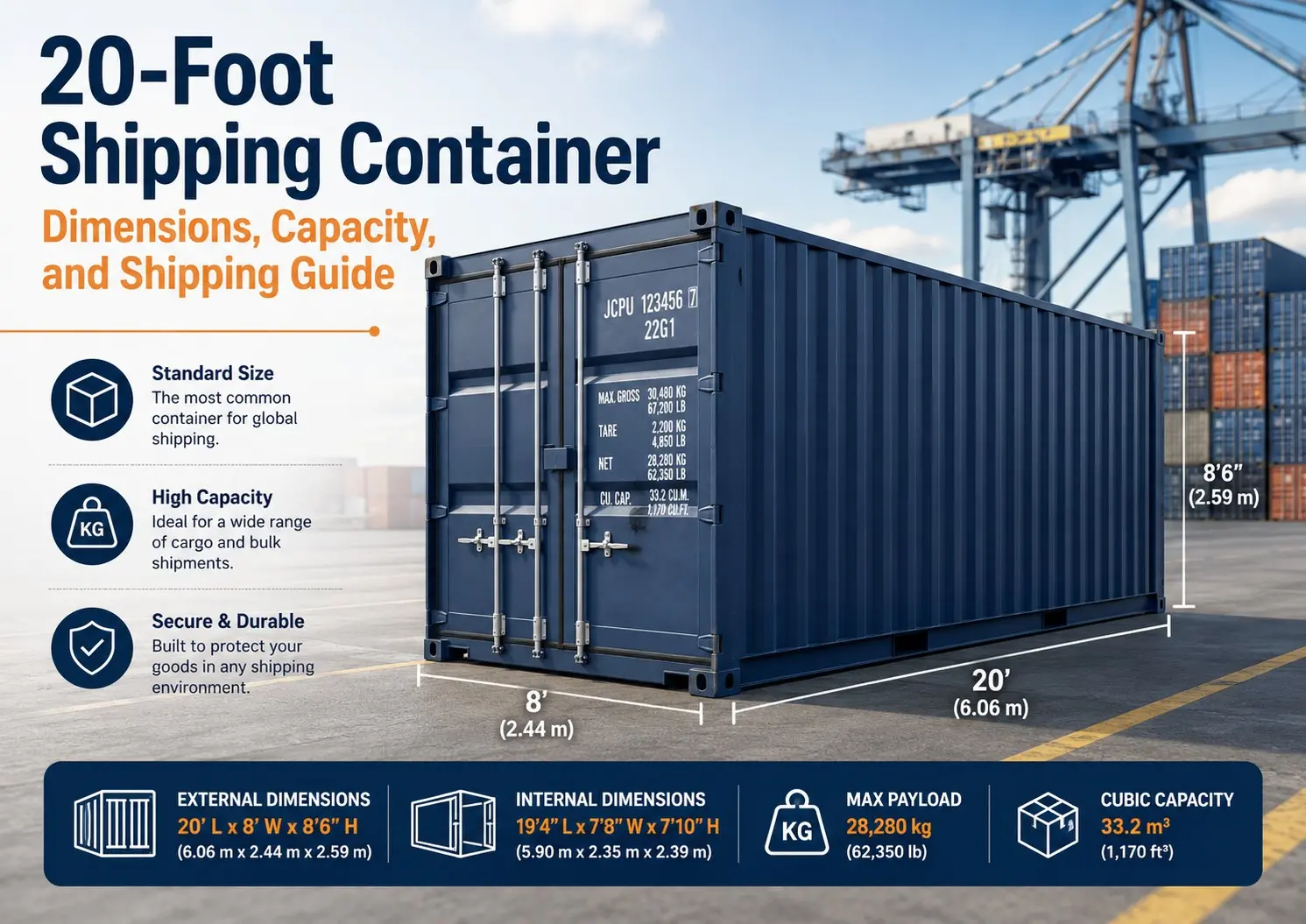
Large furniture orders may suit Efan Logistics’ FCL shipping service, which uses a dedicated container. Smaller orders may share container space through LCL shipping. Buyers sourcing from several factories can review Efan’s guide to consolidating freight from multiple suppliers in China. Efan DDP
Your final check should match package numbers, dimensions, weights, and contents against the packing list. Clear records and suitable packaging help the receiver check the delivery and identify problems.
International Maritime Organization, International Labour Organization, and United Nations Economic Commission for Europe. IMO/ILO/UNECE Code of Practice for Packing of Cargo Transport Units (CTU Code). 2014. UNECE, unece.org/transport/intermodal-transport/imoilounece-code-practice-packing-cargo-transport-units-ctu-code. Accessed 8 Oct. 2026.
International Plant Protection Convention. Regulation of Wood Packaging Material in International Trade. ISPM 15, 13 July 2021, www.ippc.int/en/publications/640/. Accessed 8 Oct. 2026.
Tell us your cargo details. We help U.S. importers, Amazon sellers, and e-commerce businesses arrange shipping from Chinese suppliers to U.S. warehouses, stores, or FBA centers.