Jun 16, 2026
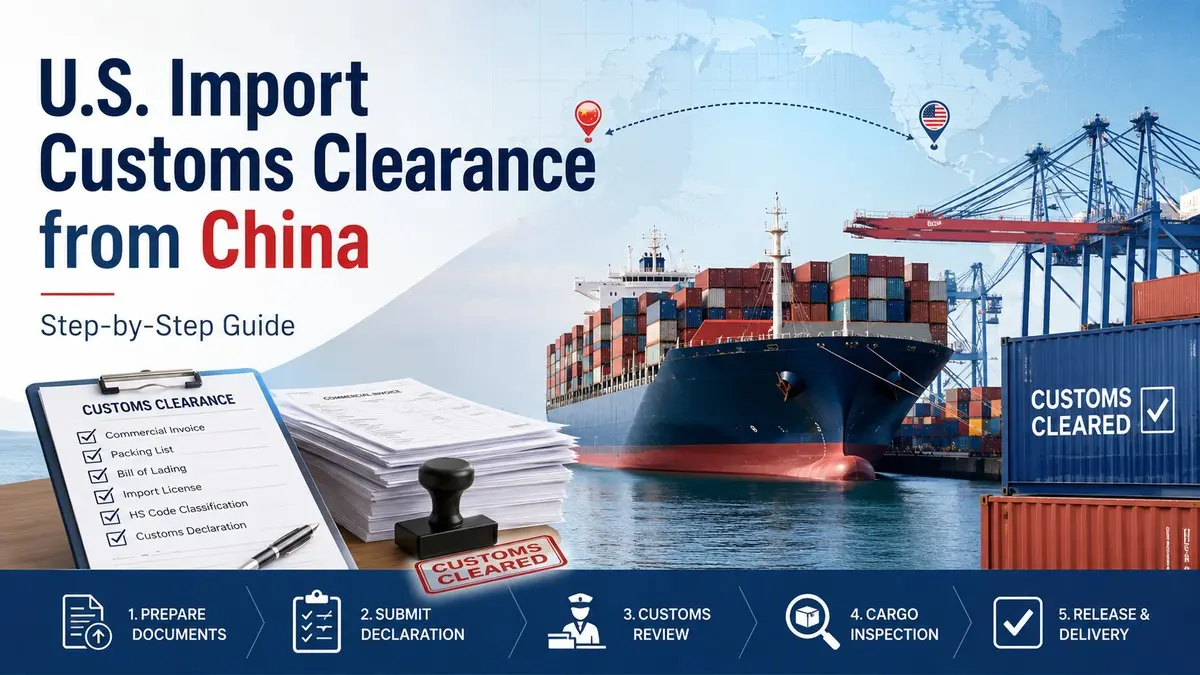
U.S. Import Customs Clearance from China: Step-by-Step Guide
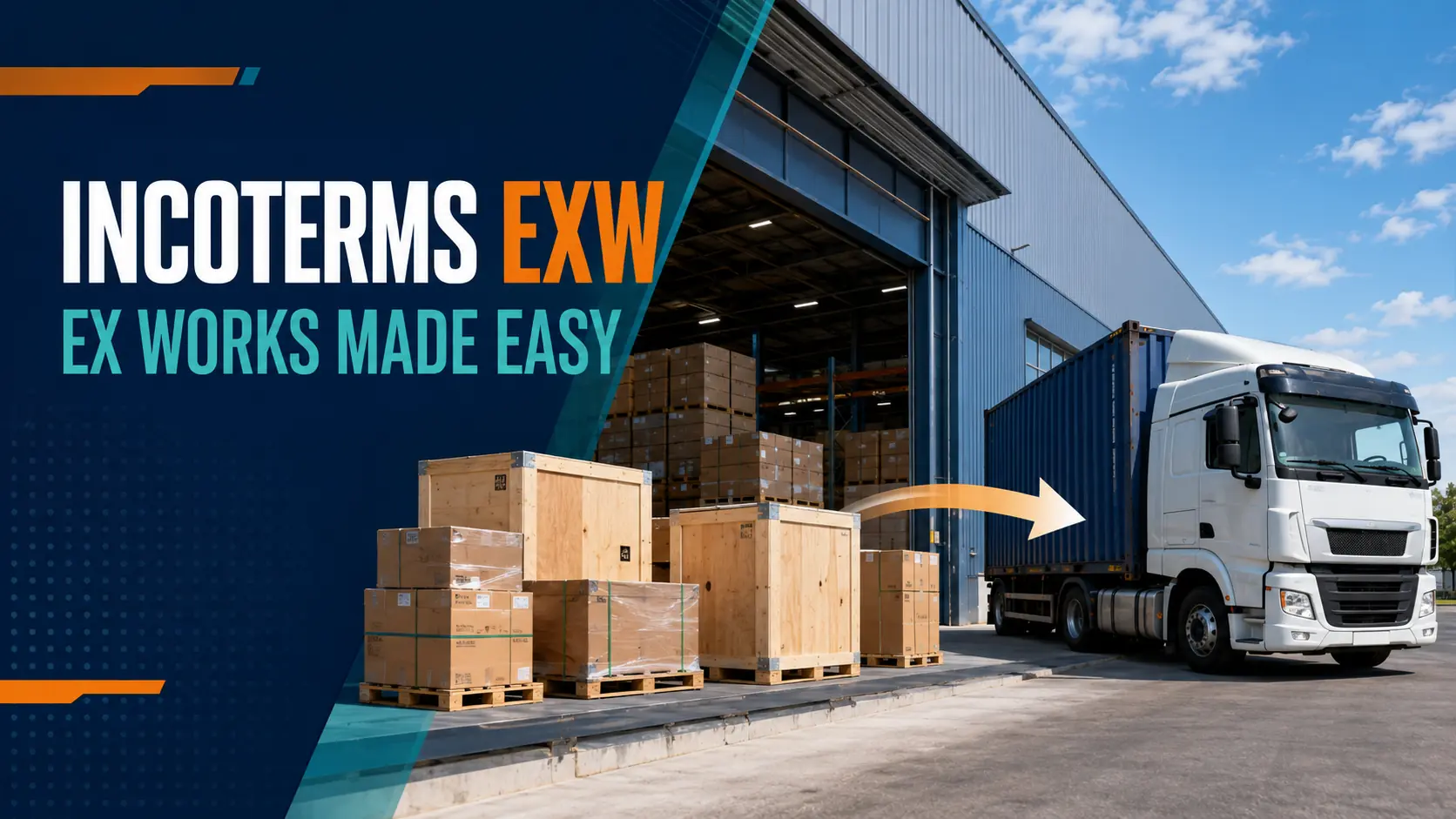
International shipping uses short trade terms, but one code can divide costs and risks in a surprising way. CPT Incoterms is an example. The seller pays for transport to an agreed destination, but the buyer may carry the risk much earlier. This guide explains the rule in simple terms.
CPT means “Carriage Paid To.” The International Chamber of Commerce includes CPT among the 11 Incoterms® 2020 rules. The U.S. International Trade Administration’s official Incoterms guide lists CPT among seven rules for any transport mode (International Trade Administration). It can cover road, rail, air, sea, or multimodal shipments.
Under CPT, the seller delivers the goods to its contracted carrier at the agreed delivery point. The seller also arranges and pays for carriage to the named destination.
The seller supplies the goods and invoice. The seller checks, packs, and marks the goods. The seller completes export clearance and hands the shipment to the carrier.
The seller arranges and pays for transport to the named destination. The seller provides the usual transport document when this practice is customary or the buyer requests it. The seller pays destination unloading charges only when its carriage contract includes them.
The buyer pays for the goods and accepts delivery. The buyer handles import clearance and pays import duties, taxes, and related fees. The buyer also handles required transit customs formalities. The buyer pays unloading costs when the seller’s carriage contract excludes them.
The buyer bears the risk of loss or damage after the seller delivers the goods to the carrier.
Risk usually transfers when the seller hands the goods to the first carrier. The risk does not wait until the shipment reaches the named destination. The Netherlands government’s CPT guide confirms that risk and costs transfer at different points (Netherlands Chamber of Commerce).
This split often confuses beginners. The seller may pay freight for a long journey while the buyer carries the risk. Both parties should therefore identify the delivery point and destination point clearly.
CPT does not require either party to arrange cargo insurance. However, the buyer has a strong reason to obtain suitable cover because the buyer takes the transport risk at the delivery point. The parties can also add a separate insurance agreement.
CPT and CIP require the seller to pay carriage to the named destination. Both rules transfer risk when the seller delivers the goods to the carrier. However, CIP requires the seller to obtain cargo insurance for the buyer’s risk. CPT does not.
CPT and FCA have a similar risk-transfer point. Under FCA, the buyer normally arranges the main carriage. Under CPT, the seller arranges and pays for it.
CPT can cover any mode, while CFR covers only sea and inland waterway transport. Under CFR, risk transfers when the goods are on board the vessel.
Under DAP, the seller keeps the risk until the goods reach the named destination and are ready for unloading. Under CPT, the buyer takes the risk much earlier.
A Chinese seller and a U.S. buyer agree on “CPT Chicago Rail Terminal, Incoterms® 2020.” The seller hands a container to the first carrier in Shanghai and pays carriage to Chicago. However, the risk transfers in Shanghai when the carrier receives the container.
The buyer handles U.S. import clearance and duties. The contract should name the exact Shanghai handover point because Chicago is the cost destination, not the risk-transfer point.
The contract should use this format: “CPT [precise named destination], Incoterms® 2020.” The parties should also record the exact delivery point where the seller hands the goods to the first carrier. This detail reduces disputes about damage and insurance.
Businesses that need help comparing CPT with door-to-door shipping can review the freight services at www.efanddp.com before selecting a suitable rule.
CPT can work well when the seller can secure reliable freight rates and manage export shipping. It can also suit containerized or multimodal cargo. However, the buyer must understand the early risk transfer and arrange insurance when needed. Incoterms do not set payment terms, transfer ownership, or replace a complete sales contract.
International Trade Administration. “Know Your Incoterms.” Trade.gov, U.S. Department of Commerce
Netherlands Chamber of Commerce, KVK. “CPT (Carriage Paid To).” Business.gov.nl, Government of the Netherlands
Tell us your cargo details. We help U.S. importers, Amazon sellers, and e-commerce businesses arrange shipping from Chinese suppliers to U.S. warehouses, stores, or FBA centers.