Sep 11, 2026
How to Calculate CBM for Shipping: Cubic Meter Formula and Examples
North American ports connect factories, consumers, railways, and highways across a large trade network. This article ranks the region’s leading container gateways. It also explains how the largest ports in the US compare with major ports in Canada and Mexico.
For a clear comparison, “North America” refers to the three USMCA countries: the United States, Canada, and Mexico. This ranking uses calendar-year 2024 container throughput. The figures include loaded and empty containers.
A seaport is a maritime facility where ships load and unload cargo or passengers. However, people can measure port size in several ways.
The American Association of Port Authorities explains that ports can be compared by cargo volume, cargo value, passenger numbers, revenue, or storage capacity. Therefore, one port can lead in container traffic while another leads in total cargo weight.
This article uses twenty-foot equivalent units, or TEUs. One 20-foot container equals one TEU. One 40-foot container usually equals two TEUs. Throughput means the number of TEUs handled during a period. It does not mean the port’s maximum capacity.
The Bureau of Transportation Statistics also uses TEUs when measuring container-port activity in the United States (Bureau of Transportation Statistics).
The following totals are rounded from the 2024 figures published by the ports and their governing authorities.
Port of Los Angeles — 10.30 million TEUs
Los Angeles ranked first in North America. The port serves major trans-Pacific routes between Asia and the United States.
Port of Long Beach — 9.65 million TEUs
Long Beach recorded its busiest year in 2024. Long Beach and Los Angeles share San Pedro Bay, but separate authorities manage them.
Port of New York and New Jersey — 8.70 million TEUs
New York–New Jersey was the largest East Coast container port. The port serves the Northeast and connects with inland rail networks.
Port of Savannah — 5.55 million TEUs
Savannah ranked fourth. Its terminals provide road and rail connections to the Southeast and several inland markets.
Port Houston — 4.14 million TEUs
Houston was the Gulf Coast’s largest container gateway. The port handles consumer imports and major exports such as resins and chemicals.
Port of Manzanillo — 3.92 million TEUs
Manzanillo was Mexico’s busiest container port. Its Pacific location supports trade between Asia and Mexico’s main industrial regions.
Port of Virginia — 3.52 million TEUs
The Port of Virginia operates terminals around Hampton Roads. Its wide channels and rail services support East Coast and inland distribution.
Port of Vancouver — 3.47 million TEUs
Vancouver was Canada’s largest container gateway. The port connects Pacific shipping routes with Canadian and U.S. markets by rail.
Northwest Seaport Alliance — 3.34 million TEUs
The alliance manages container operations at Seattle and Tacoma as one cargo gateway. It mainly supports Pacific and Alaska trade.
Port of Charleston — 2.50 million TEUs
Charleston serves the growing Southeast market. Its deep harbor can receive large container ships with fewer tidal limits.
Eight ports in this ranking are in the United States. For readers researching the largest ports in the US, the order is Los Angeles, Long Beach, New York–New Jersey, Savannah, Houston, Virginia, Seattle–Tacoma, and Charleston.
Manzanillo represents Mexico, while Vancouver represents Canada. Los Angeles handled more than four times Charleston’s container volume in 2024.
West Coast ports lead in total volume because they provide direct routes for trade with Asia. East Coast ports provide closer access to large consumer markets in the Northeast and Southeast. Houston gives Gulf Coast shippers access to energy, chemical, and manufacturing regions.
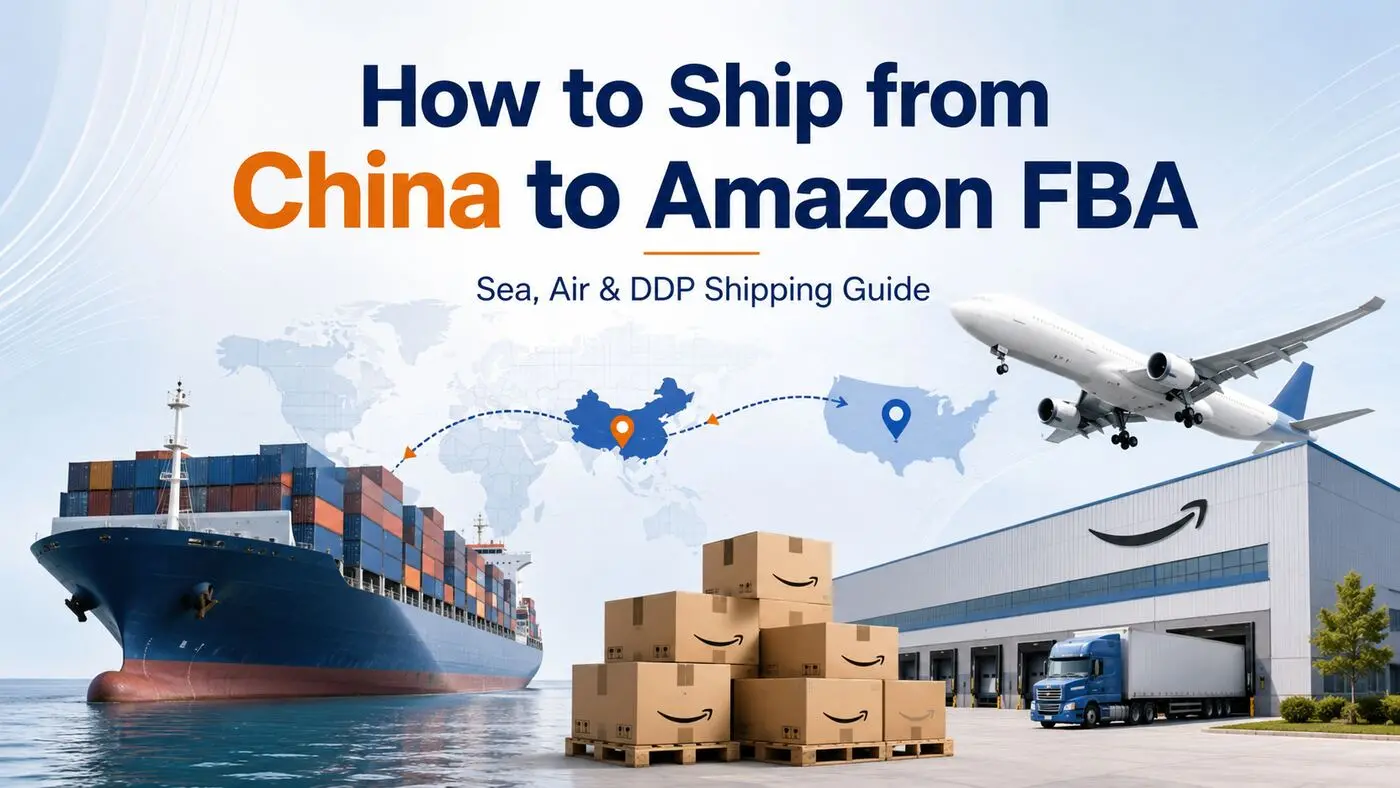
However, the busiest port is not always the best port for every shipment. Importers must compare ocean rates, sailing schedules, congestion, customs procedures, and inland delivery costs. Companies moving Asian cargo can use this guide to shipping from China to the USA to compare sea freight, FCL, LCL, air freight, and delivery times.
The largest ports in North America handle millions of containers each year. However, volume alone does not measure speed, cost, or reliability. Shippers should choose a port based on the complete route from the supplier to the final destination.
Tell us your cargo details. We help U.S. importers, Amazon sellers, and e-commerce businesses arrange shipping from Chinese suppliers to U.S. warehouses, stores, or FBA centers.