Jul 10, 2026
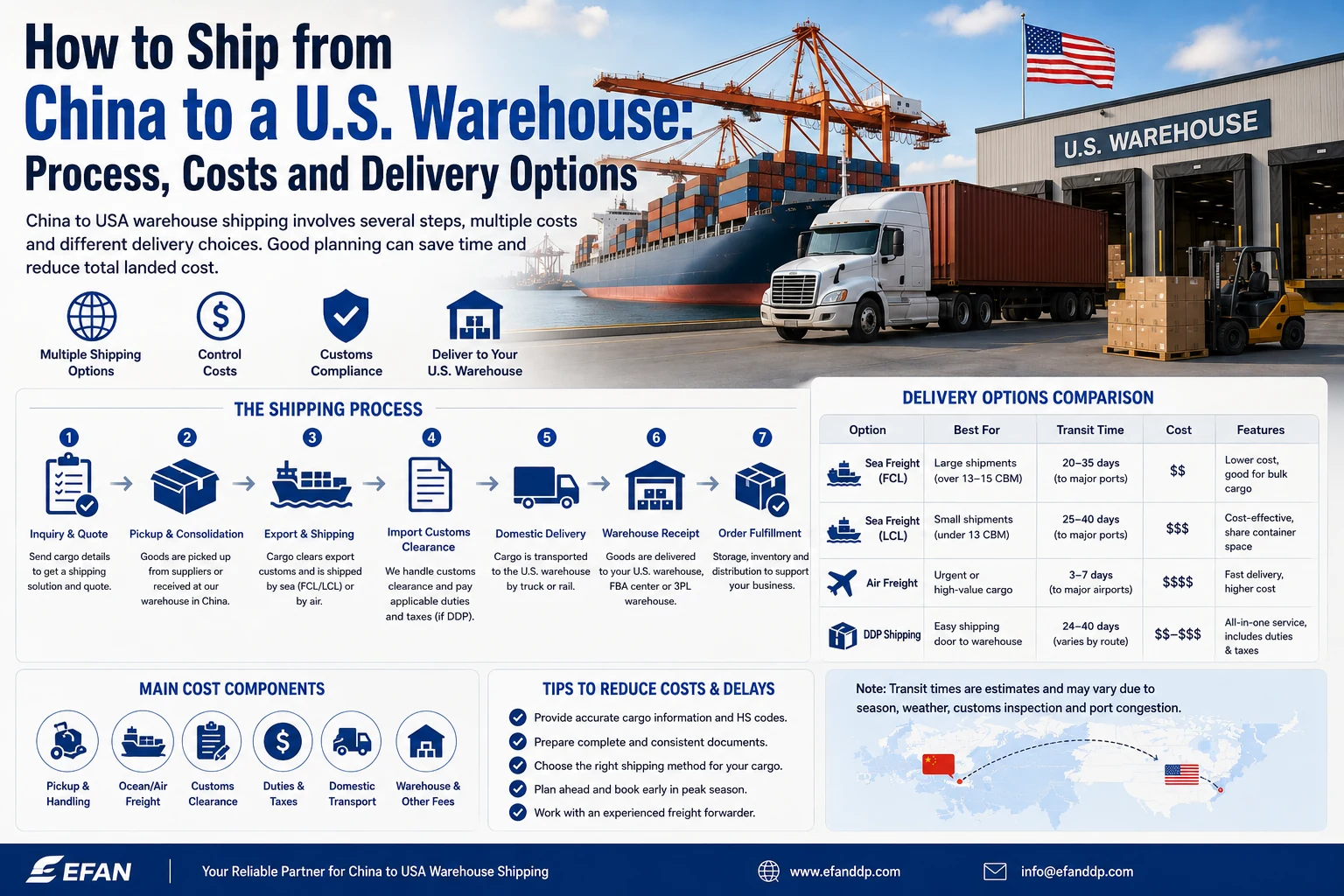
How to Ship from China to a U.S. Warehouse: Process, Costs and Delivery Options
China has several of the busiest container ports in the world. These ports connect Chinese factories with buyers in North America, Europe, Asia, and other markets. However, the word “largest” can have different meanings. This article ranks the five largest ports in China by annual container throughput, not by land area or total cargo weight. The ranking uses 2024 statistics from the World Shipping Council.
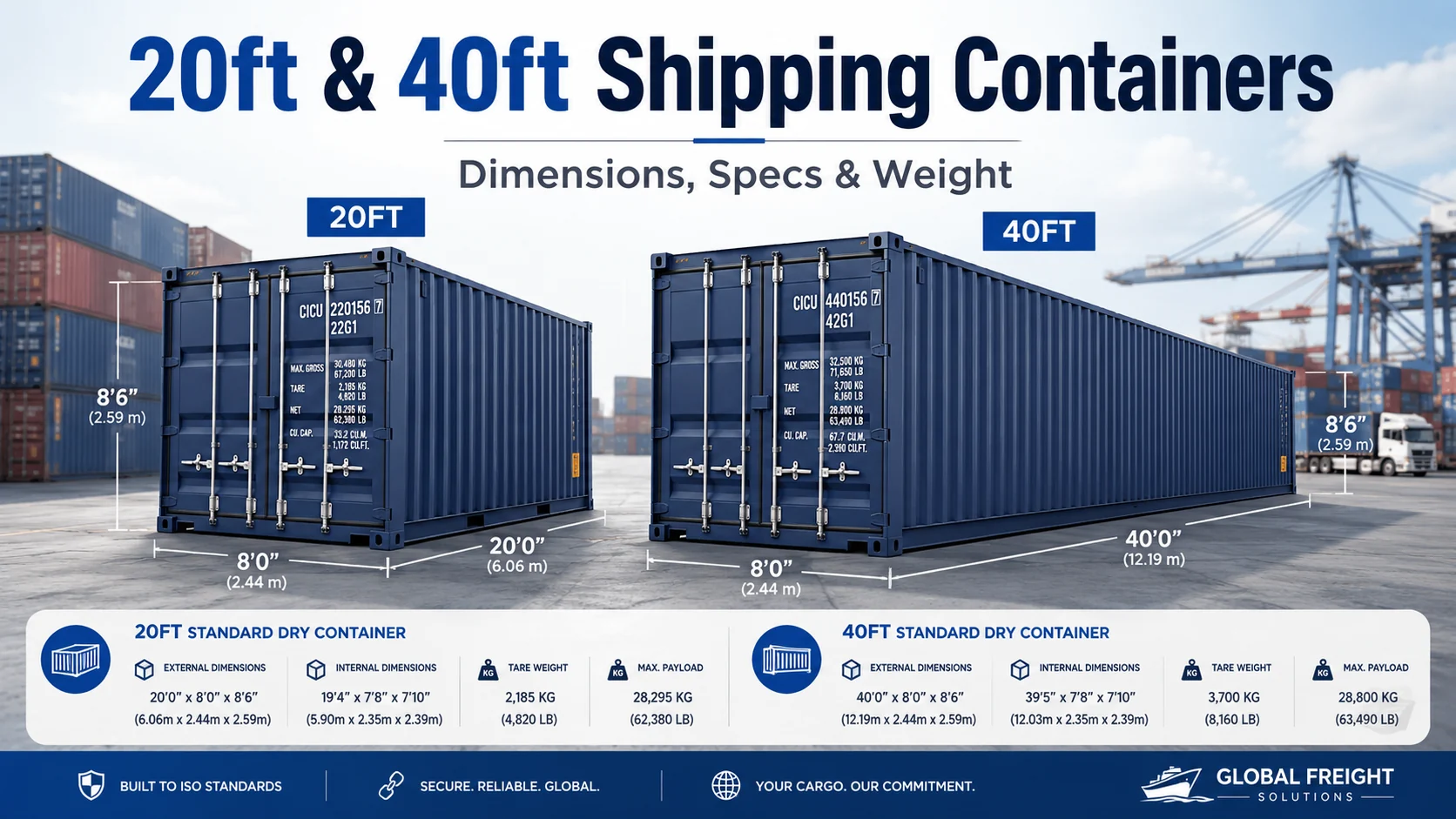
A large container port handles a high number of twenty-foot equivalent units, or TEUs, each year. One TEU represents one standard 20-foot container. A 40-foot container usually counts as two TEUs.
Container throughput shows how many containers move through a port. It does not directly show speed, price, or service quality. The World Bank’s Container Port Performance Index measures vessel time in port. Therefore, port size and port efficiency are not the same thing (World Bank).
According to the World Shipping Council’s Top 50 Container Ports, the five largest ports in China in 2024 were Shanghai, Ningbo-Zhoushan, Shenzhen, Qingdao, and Guangzhou (World Shipping Council).
| Rank | Port | 2024 Throughput |
|---|---|---|
| 1 | Shanghai | 51.51 million TEUs |
| 2 | Ningbo-Zhoushan | 39.30 million TEUs |
| 3 | Shenzhen | 33.40 million TEUs |
| 4 | Qingdao | 30.87 million TEUs |
| 5 | Guangzhou | 26.07 million TEUs |
The Port of Shanghai handled about 51.51 million TEUs in 2024. It ranked first in China and first worldwide. Shanghai sits near the mouth of the Yangtze River. This location connects the port with the wider Yangtze River Delta.
Shanghai serves a large manufacturing and consumer region. It also has many international liner services. These factors help it handle more containers than any other Chinese port.
Ningbo-Zhoushan handled about 39.30 million TEUs in 2024. It ranked second in China and third worldwide. The port is in Zhejiang Province, south of Shanghai.
Shanghai handled about 12.21 million more TEUs than Ningbo-Zhoushan. However, both ports serve the Yangtze River Delta. A shipper should compare the supplier’s location, sailing schedule, trucking cost, and available route before choosing between them.
The Port of Shenzhen handled about 33.40 million TEUs in 2024. It ranked third in China. Shenzhen is part of the Pearl River Delta and is close to major manufacturing areas in Guangdong.
The port includes container areas such as Yantian, Shekou, and Chiwan. Shenzhen can be practical for cargo made in Shenzhen, Dongguan, Huizhou, and nearby cities. However, shippers should still compare total costs and schedules.
The Port of Qingdao handled about 30.87 million TEUs in 2024. It ranked fourth in China. Qingdao is in Shandong Province on China’s eastern coast.
Qingdao gives factories in northern and eastern China access to international routes. Compared with Shenzhen and Guangzhou, Qingdao is usually closer to suppliers in Shandong and nearby inland areas. This location can reduce domestic transport distance.
The Port of Guangzhou handled about 26.07 million TEUs in 2024. It ranked fifth in China. Guangzhou is also in the Pearl River Delta.
Guangzhou and Shenzhen serve the same broad region, but they are not identical. A factory near Nansha may find Guangzhou more practical. A factory near eastern Shenzhen may prefer Yantian. The pickup point and vessel schedule should guide the decision.
An importer should not choose a port only because it handles the most containers. The importer should compare the supplier’s location, ocean freight rate, sailing frequency, transit time, congestion, customs arrangements, and inland delivery cost.
A reliable sea freight shipping service from China to the USA can help compare FCL and LCL routes. Importers can also read this guide to shipping from China to the USA before choosing an origin port.
No single port is best for every shipment. Shanghai has the highest container throughput. Ningbo-Zhoushan is another major option in the Yangtze River Delta. Shenzhen and Guangzhou serve South China, while Qingdao often suits northern cargo.
The best port is the port that offers the best total route, not simply the largest number.
Tell us your cargo details. We help U.S. importers, Amazon sellers, and e-commerce businesses arrange shipping from Chinese suppliers to U.S. warehouses, stores, or FBA centers.