Jul 15, 2026
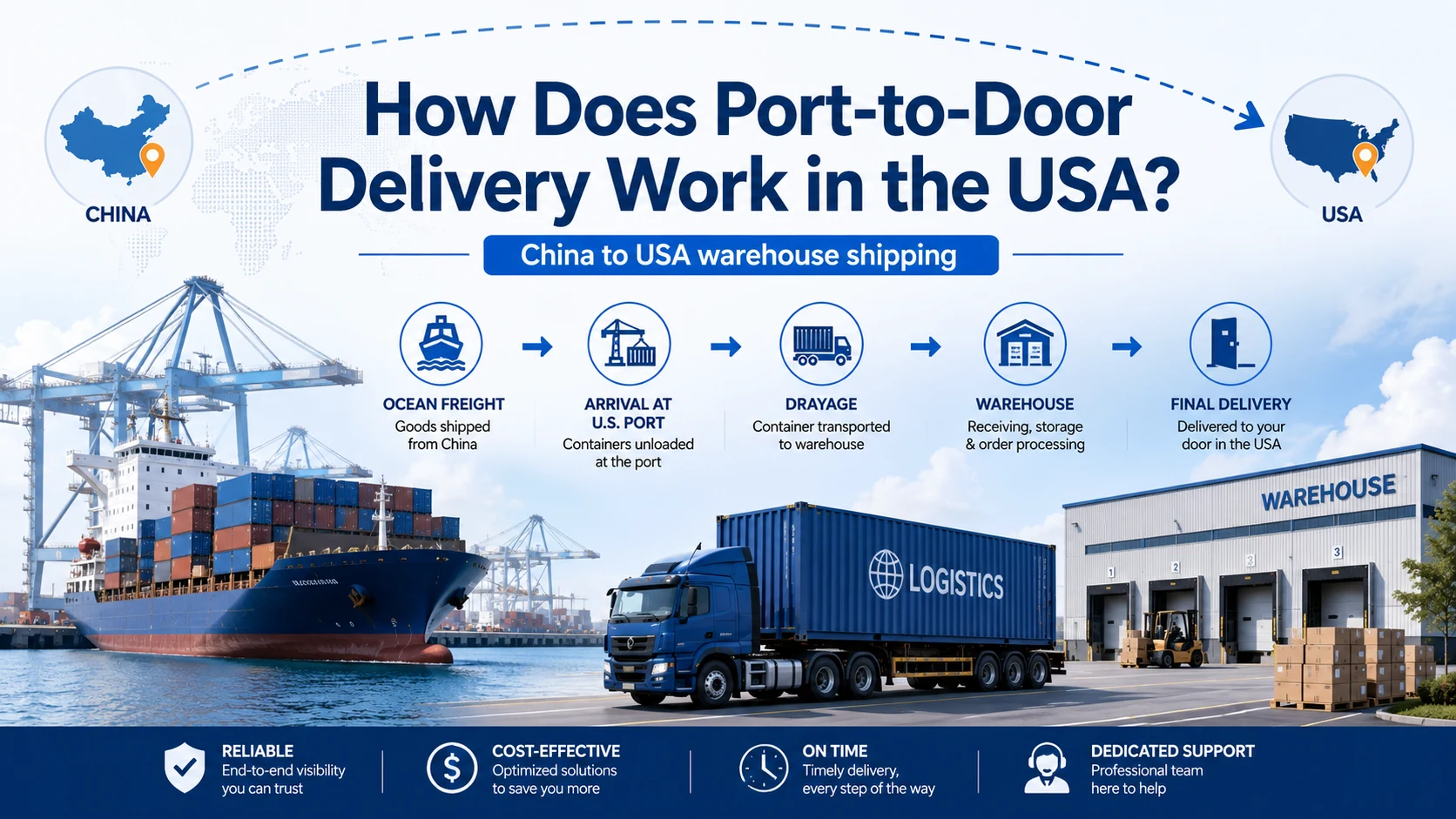
How Does Port-to-Door Delivery Work in the USA?
What is ISPS Shipping? ISPS Charges Explained
An ISPS charge on a freight quote pays toward maritime security measures. The term comes from the International Ship and Port Facility Security Code. Importers should understand both the rules and the related fees. This knowledge helps them compare quotes and ask clear questions before they book a shipment.
ISPS stands for International Ship and Port Facility Security. The ISPS meaning refers to a system that helps ships and port facilities manage security risks. ISPS shipping is an informal description of shipping under this security framework.
The International Maritime Organization explains that the Code took effect on 1 July 2004 under SOLAS Chapter XI-2. SOLAS is the International Convention for the Safety of Life at Sea. Part A sets mandatory requirements. Part B provides guidance on meeting them.
The framework requires security assessments, security plans, and designated security officers. Governments, shipping companies, and port facilities have different roles. Their shared aim is to detect threats and reduce security risks.
The rules cover specified ships on international voyages and the port facilities that serve them. These ships include passenger ships and cargo ships of 500 gross tonnage or more. The rules also cover mobile offshore drilling units.
An ISPS charge helps recover costs linked to ship or port security. These costs can include security staff, access controls, monitoring equipment, and training. A charge on your invoice does not mean that your container received a separate physical inspection.
UNCTAD's 2007 study of ISPS implementation examined security costs and ways to recover them. The report described different charging approaches across ports. Its historical findings help explain why security fees exist. Its old price examples should not serve as current shipping quotes.
The Code establishes security requirements. It does not set one worldwide price for every shipment. A carrier, terminal, or service provider may collect a related fee. The applicable tariff and booking terms determine the amount and billing method.
Mandatory security rules do not prove that every invoice line is correct. Your booking may include the cost within another rate, or it may list a separate charge. You should ask for the relevant rate sheet if the basis is unclear. The provider should explain the charge before you approve the quoted cost.
Shipping invoices contain several cost categories. Each category has a different purpose.
Charge | Main purpose |
ISPS charge | The fee helps recover maritime security costs. |
Ocean freight | The charge pays for transport by sea. |
Terminal handling charge | The fee covers cargo or container handling at the terminal. |
Customs duty | The government collects this tax on imported goods when it applies. |
Importers should review these items together when comparing FCL surcharges and shipping fees. A lower ocean freight rate does not necessarily mean a lower total cost. Buyers also need to check which services each quote includes.
A reliable amount requires a current quote for a specific shipment. The port, carrier, route, and billing unit all matter. Importers should not assume that every provider charges per container or uses the same currency.
For FCL shipping from China to the USA, the quote should identify any security charges at origin and destination. FCL means full container load. LCL means less than container load, where several shipments share container space. An LCL customer should ask how the provider allocates security costs to that shipment.
Payment responsibility depends on the agreed sales and transport terms. The invoice recipient and the party that ultimately bears the cost may differ. Buyers and sellers should confirm the allocation before booking.
Importers should request the fee name, amount, currency, billing unit, and quote validity date. They should also ask whether the price already includes security charges. If two security items appear, the provider should explain what each covers. Clear written answers make the final shipping budget easier to check.
You should compare quotes for the same ports, shipment size, and service scope. You should also keep the written quote with your booking records for future reference. These details help you identify changes when the invoice arrives.
International Maritime Organization. “Frequently Asked Questions on Maritime Security.” IMO,
United Nations Conference on Trade and Development. Maritime Security: ISPS Code Implementation, Costs and Related Financing. United Nations, 14 Mar. 2007. UNCTAD/SDTE/TLB/2007/1,
Tell us your cargo details. We help U.S. importers, Amazon sellers, and e-commerce businesses arrange shipping from Chinese suppliers to U.S. warehouses, stores, or FBA centers.