Jul 10, 2026
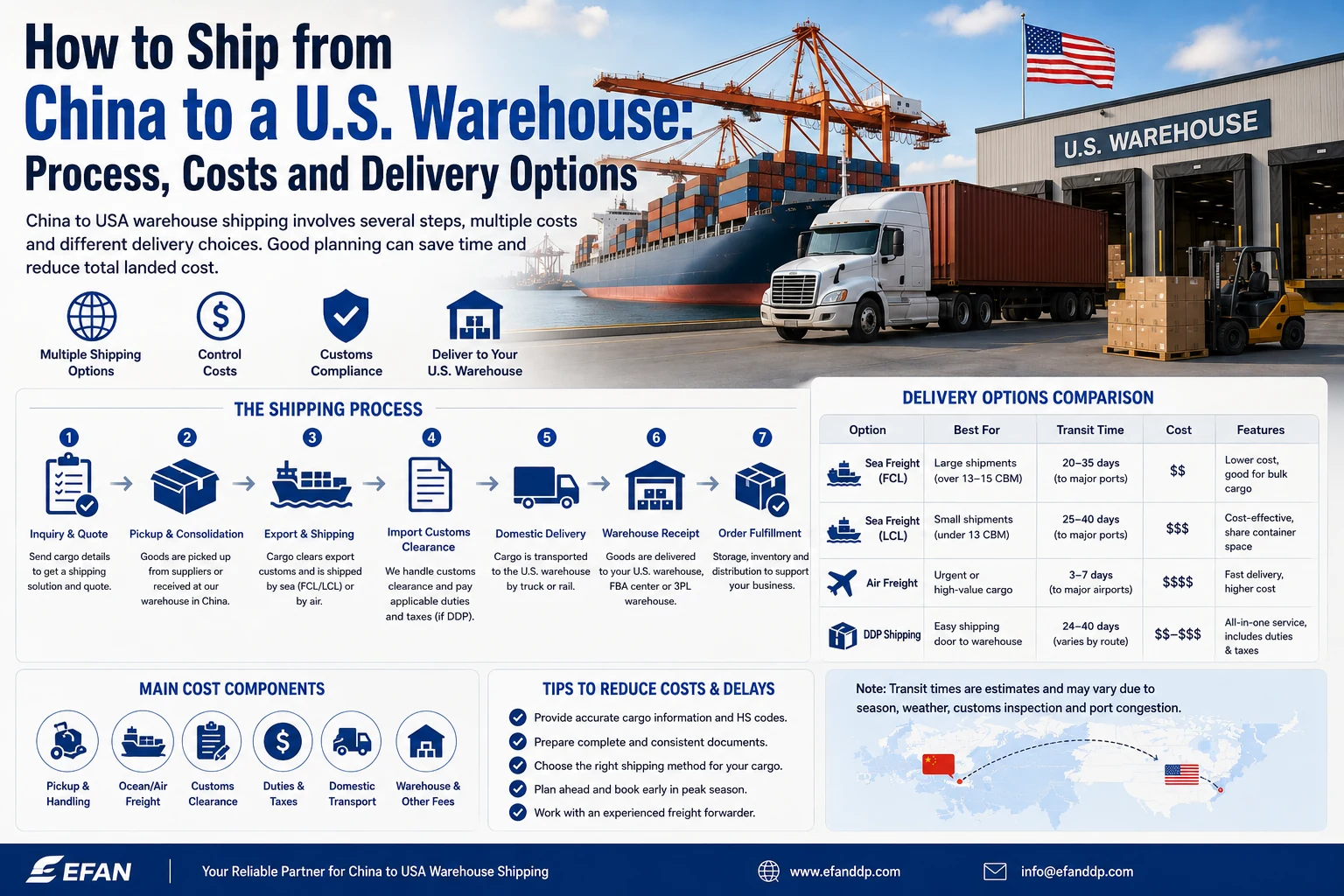
How to Ship from China to a U.S. Warehouse: Process, Costs and Delivery Options
A letter of indemnity is a written promise to compensate another party for losses caused by a defined action. In shipping, the document is often called an LOI. A shipper, charterer, consignee, or another requester may issue it to a carrier or shipowner.
A letter of indemnity does not remove the underlying risk. It moves the financial risk from the party taking the action to the party requesting it. The exact effect depends on the wording, the applicable law, and the issuer’s ability to pay.
A common example involves cargo that reaches the discharge port before the original bill of lading arrives. The consignee may want the cargo immediately to avoid storage during a sea freight shipment. The carrier may consider releasing it against an LOI. However, the carrier does not have to accept the request.
Shipping parties mainly use an LOI when they ask a carrier to act outside the normal bill of lading procedure. The request may involve delivery without an original bill of lading. It may also involve delivery at a port or place that differs from the location stated in the bill.
The International Group of P&I Clubs publishes a standard-form letter of indemnity for delivery without the original bill of lading (International Group of P&I Clubs).
Importers should remember that an LOI does not replace customs documents. Efan Logistics’ customs clearance guide explains the invoice, packing list, bill of lading, and other records that importers may need.
The requesting party first describes the vessel, voyage, cargo, and related bill of lading. The party then states the action that it wants the carrier to take. The LOI normally promises compensation if that action leads to a claim or expense. The wording may also require the issuer to provide funds for a legal defense or security if a vessel is arrested.
The carrier should verify the requester, consignee, and cargo details before making a decision. The Hong Kong Qualifications Framework treats identity checks, guarantee checks, legal arrangements, and record keeping as key parts of delivery without an original bill (Qualifications Framework Secretariat). A carrier may also ask a financially strong bank to join the undertaking.
A bill of lading and a letter of indemnity serve different purposes. A bill of lading acts as a cargo receipt and provides evidence of the contract of carriage. A negotiable bill can also control the right to claim delivery. An LOI does not perform these functions. It only gives a contractual promise to cover defined consequences.
An LOI also differs from a telex release. A carrier normally issues a telex release after the original bill has been surrendered under the carrier’s procedure. By contrast, an LOI asks the carrier to rely on an indemnity because the standard document or instruction is unavailable or different.
The main risk is misdelivery. A lawful holder of the original bill may later demand the cargo. The carrier may face a claim even though it accepted an LOI. The carrier must seek repayment from the issuer, which may refuse or lack enough money.
Weak wording, an unauthorized signature, a false cargo description, or an unclear governing law can also limit protection. An LOI should never hide fraud or create a false transport record. Each party should obtain legal and insurance advice for a high-value or disputed shipment.
Importers should use accurate consignee details and track the originals. They should also ask whether a sea waybill or approved electronic bill can meet the transaction’s needs. Efan Logistics’ China-to-U.S. warehouse shipping guide provides more context on document preparation and final delivery.
A letter of indemnity can solve a practical shipping delay, but it cannot replace the bill of lading. It is a promise to pay if a requested departure from normal procedure causes loss. Every party should check the wording, identity, signing authority, financial strength, and legal effect before relying on it.
Tell us your cargo details. We help U.S. importers, Amazon sellers, and e-commerce businesses arrange shipping from Chinese suppliers to U.S. warehouses, stores, or FBA centers.